


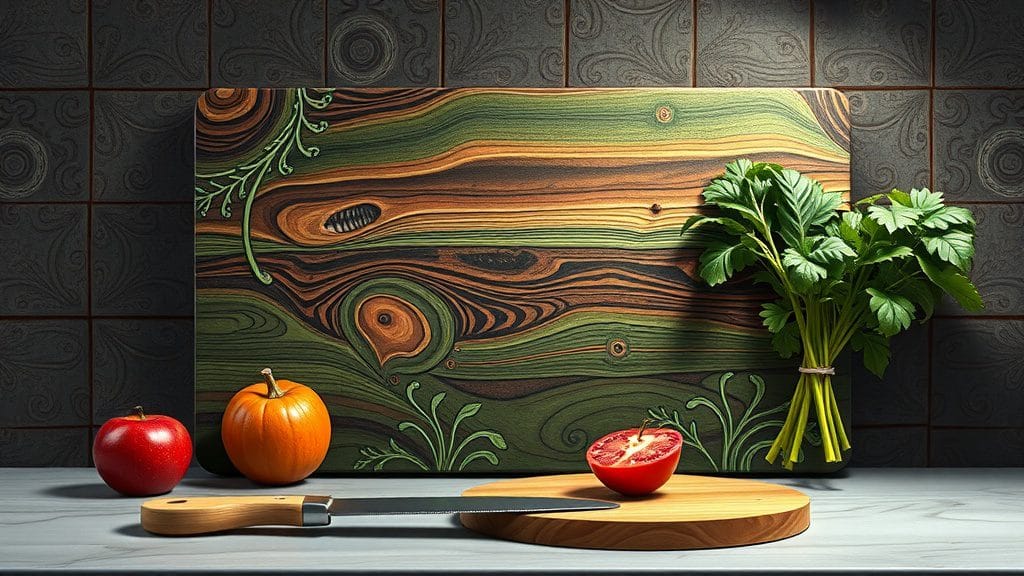

Decorative Cutting Boards: Elevating Kitchen Aesthetics and Functionality
Modern kitchens are increasingly embracing decorative cutting boards as both functional tools and stunning design elements. These versatile kitchen accessories have transformed from simple food preparation surfaces into artistic statements that complement contemporary interior design.
The Art of Selecting Decorative Cutting Boards
When choosing decorative cutting boards, homeowners now consider multiple factors beyond basic utility. Materials like sustainably sourced wood, marble, and tempered glass offer unique aesthetic qualities that enhance kitchen spaces. Exotic wood varieties such as acacia, walnut, and olive wood provide rich textures and natural grain patterns that make each board a distinctive piece.
Material Considerations
Different materials offer unique advantages: • Wooden boards: Warmth, natural beauty, gentle on knife edges • Marble boards: Elegant, cool surface perfect for pastry preparation • Bamboo boards: Eco-friendly, naturally antimicrobial • Glass boards: Modern, sleek appearance with easy cleaning
Design Trends in Decorative Cutting Boards
Contemporary design trends showcase cutting boards as functional art pieces. Manufacturers now collaborate with artists to create boards featuring intricate laser-etched designs, hand-painted motifs, and personalized engravings. Some boards incorporate unique elements like live edge wood, metallic inlays, and geometric patterns that transform ordinary kitchen tools into conversation pieces.
Practical Considerations for Stylish Boards
While aesthetics matter, functionality remains crucial. Professional chefs and home cooks seek boards with: • Non-slip surfaces • Juice grooves • Adequate weight and stability • Easy maintenance properties
Decorative Cutting Boards into Kitchen Design
Smart interior designers recommend using cutting boards as decorative elements. Hanging boards on walls, displaying them on countertops, or creating dedicated board racks can elevate kitchen aesthetics. Color coordination with kitchen hardware and existing decor helps create cohesive design schemes.
Care and Maintenance
Proper maintenance ensures longevity and preserves the board’s aesthetic appeal: • Regular oiling for wooden boards • Avoiding dishwasher exposure • Using food-safe mineral oils • Storing in cool, dry environments
Cultural and Artisanal Influences
Global craftsmanship significantly impacts decorative cutting board design. Artisans from countries like Japan, Italy, and Sweden contribute unique techniques that blend traditional woodworking with modern design principles. Handcrafted boards often tell stories through their distinctive characteristics.
Recommended Resources: Woodworking Techniques, Professional Culinary Desig,n Kitchen Design Trends
Investment and Value
High-quality decorative cutting boards represent more than kitchen tools—they’re investments. Prices range from $50 to $500, depending on the craftsmanship, materials, and complexity of the design. Collectors and design enthusiasts often view these boards as functional art pieces that appreciate.
Sustainable and Ethical Considerations
Environmentally conscious consumers prioritize boards made from responsibly sourced materials. Brands emphasizing sustainable production, fair trade practices, and minimal environmental impact gain significant market appeal.
Consumers increasingly seek cutting boards that reflect personal style while maintaining professional-grade functionality. The intersection of art, utility, and design continues to drive innovation in this exciting kitchen accessory category.
Materials and Craftsmanship in Modern Cutting Board Design
Modern decorative cutting boards have evolved far beyond their traditional utilitarian roots, transforming into stunning kitchen art pieces that blend functionality with exquisite design. Today’s craftsmen are pushing boundaries by selecting innovative materials and implementing intricate techniques that elevate these essential kitchen tools into conversation-starting centerpieces.
Innovative Material Selection
Contemporary cutting board designers are exploring diverse materials that offer both aesthetic appeal and superior performance. Premium hardwoods like maple, walnut, and cherry remain popular choices, providing rich textures and natural grain patterns that make each board unique. Artisan woodworkers carefully select wood sections that showcase distinctive characteristics, ensuring no two boards are identical.
Sustainable Material Considerations
Eco-conscious consumers increasingly demand cutting boards crafted from responsibly sourced materials. Bamboo has emerged as a standout sustainable option, offering rapid renewability and impressive durability. Some manufacturers collaborate with forest conservation organizations to guarantee environmentally friendly production processes.
Advanced Manufacturing Techniques
Cutting board craftsmanship now incorporates sophisticated techniques that transform simple kitchen tools into artistic statements. Precision laser engraving allows intricate designs, personalized monograms, and complex geometric patterns to be etched directly onto wooden surfaces. Advanced CNC machining enables creators to develop complex, multi-dimensional board designs that were previously impossible.
Design Innovation Highlights
- Multi-functional boards with integrated cutting zones
- Boards featuring embedded metal accents
- Customizable edge profiles
- Boards with built-in measurement markings
Technological advancements have dramatically expanded design possibilities. Epoxy resin techniques now allow craftspeople to create stunning boards with vibrant color combinations and mesmerizing visual effects. These boards often incorporate natural wood elements with translucent resin, creating depth and intrigue.
Performance and Durability Considerations
Modern decorative cutting boards aren’t just about appearance; they’re engineered for optimal performance. Advanced sealing techniques protect wood from moisture damage, while specialized food-safe finishes ensure longevity and hygienic food preparation surfaces. Professional chefs and home cooking enthusiasts appreciate boards that combine visual elegance with practical functionality. Some designers incorporate non-slip silicone feet, juice grooves, and ergonomic handles, transforming traditional cutting surfaces into comprehensive culinary tools.
Cultural and Artistic Influences
Global design trends significantly impact cutting board aesthetics. Japanese minimalism, Scandinavian simplicity, and Mediterranean warmth inspire contemporary board designs. Artisans draw inspiration from architectural movements, traditional craft techniques, and cultural woodworking traditions.
| Material | Durability Rating | Aesthetic Appeal |
|---|---|---|
| Maple | High | Classic |
| Walnut | Very High | Rich |
| Bamboo | Moderate | Modern |
Pricing for decorative cutting boards varies widely, reflecting the complexity of design and quality of materials. Handcrafted boards from master woodworkers can command premium prices, appealing to collectors and culinary enthusiasts who value unique, artisanal kitchen accessories. Recommended Resources: Wood MagazineFine WoodworkingCraftsy Woodworking Contemporary decorative cutting boards represent a perfect fusion of artistic expression and practical kitchen design, continually pushing creative boundaries while maintaining essential functional requirements.
Choosing the Perfect Decorative Cutting Board for Different Kitchen Styles
Transforming your kitchen’s aesthetic with the right decorative cutting board can elevate both functionality and style. Modern homeowners understand that these essential kitchen tools are more than just practical surfaces—they’re design statements that reflect personal taste and complement existing decor.
Material Considerations for Style and Durability
When selecting decorative cutting boards, material plays a crucial role. Wood remains the most popular choice, offering warmth and versatility. Hardwoods like maple, walnut, and acacia provide stunning grain patterns and natural durability. For contemporary kitchens, consider boards with unique wood tones that create visual interest against modern countertops.
Marble and stone cutting boards deliver exceptional elegance, perfect for minimalist or luxury kitchen designs. These materials offer a sleek, sophisticated appearance while providing a cool surface ideal for pastry preparation and cheese serving.
Design Elements That Transform Kitchen Aesthetics
Decorative cutting boards can serve multiple purposes beyond food preparation. Some designers incorporate intricate edge details, laser-engraved patterns, or custom artwork that transforms these functional items into conversation pieces. Consider boards with:
• Geometric edge designs • Carved handle details • Personalized monograms • Cultural or artistic motifs • Contrasting wood inlays
Matching Cutting Boards with Kitchen Styles
Different kitchen styles demand specific cutting board approaches:
| Kitchen Style | Recommended Cutting Board Characteristics |
|---|---|
| Modern/Minimalist | Sleek marble, solid neutral tones, clean lines |
| Farmhouse/Rustic | Reclaimed wood, thick boards, warm tones |
| Industrial | Metal accents, dark wood, bold geometric shapes |
Maintenance remains critical when investing in decorative cutting boards. Regardless of material, proper care ensures longevity and sustained aesthetic appeal. Regular oiling for wooden boards and gentle cleaning for marble surfaces will preserve their beauty.
Functional Artistry in Kitchen Design
Modern decorative cutting boards blur lines between utility and art. Some manufacturers collaborate with artists to create limited-edition pieces that function as kitchen decor. These boards can be displayed on wall-mounted racks or standalone holders, adding visual interest even when not in use.
Professional chefs and home cooks alike appreciate multi-functional designs. Look for boards with integrated features like:
• Juice grooves • Removable cutting surfaces • Built-in measurement markings • Integrated storage compartments
When selecting decorative cutting boards, consider scale and proportion. A board should complement your kitchen’s dimensions without overwhelming the space. Oversized boards work beautifully in spacious kitchens, while compact designs suit smaller areas.
Sustainable options are increasingly popular. Brands like Woodworkers Source and Etsy Artisan Shops offer eco-friendly cutting boards crafted from responsibly sourced materials.
Color coordination matters significantly. Neutral-toned boards provide versatility, while bold colors can create striking focal points. Consider how your cutting board’s hue interacts with existing kitchen elements like backsplashes, countertops, and appliances.
Budget considerations vary widely. Decorative cutting boards range from affordable mass-produced options to handcrafted, premium pieces costing hundreds of dollars. Invest according to your aesthetic preferences and functional requirements.
By thoughtfully selecting decorative cutting boards, you transform mundane kitchen tools into stunning design elements that reflect personal style and enhance culinary experiences.
Care and Maintenance of Artistic and Functional Cutting Surfaces
Every kitchen enthusiast knows that decorative cutting boards are more than just functional tools—they’re artistic statements that elevate culinary spaces. These beautiful surfaces require specialized care to maintain their aesthetic appeal and practical utility.
Wooden cutting boards, particularly those with intricate designs or handcrafted elements, demand gentle yet consistent maintenance. Natural wood materials are susceptible to moisture, bacteria, and potential warping, making proper preservation crucial for longevity.
Material-Specific Preservation Techniques
Different decorative cutting board materials require unique maintenance approaches. Hardwood varieties like maple, walnut, and cherry need specific conditioning to prevent cracking and maintain their stunning visual characteristics. Professional woodworkers recommend applying food-grade mineral oil every 3-4 weeks to protect the wood’s structural integrity.
Essential Maintenance Practices
- Clean immediately after use with mild soap
- Dry thoroughly with soft cloth
- Avoid prolonged water exposure
- Store in cool, dry environment
For exotic wood or designer cutting boards featuring intricate inlays, extra cautious handling becomes paramount. These specialized surfaces often incorporate multiple wood types or decorative elements that require delicate treatment.
Cleaning Strategies for Artistic Cutting Surfaces
Professional chefs and culinary experts emphasize gentle cleaning techniques. Harsh chemicals or abrasive scrubbers can damage delicate wood grains and compromise intricate designs. Utilizing soft sponges and pH-neutral cleaners helps preserve the board’s original aesthetic and functional qualities.
Recommended Cleaning Solutions
| Surface Type | Recommended Cleaner | Frequency |
|---|---|---|
| Hardwood | Food-grade mineral oil | Monthly |
| Exotic Wood | Specialized wood conditioner | Every 6-8 weeks |
Moisture management represents another critical aspect of cutting board preservation. Wooden surfaces naturally expand and contract with temperature and humidity changes. Implementing consistent environmental controls prevents potential warping or structural compromises.
Advanced Protection Techniques
Seasoned woodworkers recommend periodic application of beeswax-based protective coatings. These natural sealants create an additional barrier against moisture infiltration while enhancing the wood’s natural luster. Applying such treatments every couple of months significantly extends the cutting board’s lifespan.
Professional Resources
For enthusiasts seeking deeper insights, consider exploring resources from professional woodworking associations:
Understanding the nuanced care requirements transforms decorative cutting boards from mere kitchen accessories into cherished culinary companions. By implementing careful maintenance practices, home chefs can preserve these functional art pieces for generations.
Investing time in proper preservation ensures that these beautiful surfaces remain both visually stunning and structurally sound, reflecting the owner’s commitment to quality craftsmanship and culinary excellence.
Innovative Uses and Display Techniques for Decorative Cutting Boards
When it comes to kitchen decor and functional art, decorative cutting boards have transformed from simple meal preparation tools into stunning design elements that elevate home aesthetics. Modern homeowners are discovering creative ways to showcase these versatile pieces beyond traditional culinary uses.
Artistic Wall Displays and Mounting Techniques
Transforming decorative cutting boards into wall art creates an instant visual statement in kitchens and dining areas. Wooden cutting boards with intricate grain patterns or unique designs can be mounted using specialized hanging hardware, turning them into eye-catching wall installations. Consider creating gallery-style arrangements with multiple boards of varying sizes, shapes, and wood tones to generate visual interest.
Strategic Placement Recommendations
• Kitchen accent walls • Above kitchen islands • Near dining area boundaries • Adjacent to open shelving
Functional Decor Beyond Kitchen Spaces
Innovative designers are repurposing decorative cutting boards in unexpected locations throughout living spaces. Some creative applications include:
- Serving as elegant backdrops for countertop accessories
- Displaying cookbooks and culinary magazines
- Acting as stylish trays for appetizers during gatherings
- Complementing rustic or farmhouse interior design themes
Material Selection for Maximum Visual Impact
Selecting high-quality materials significantly enhances decorative cutting boards’ aesthetic appeal. Premium woods like maple, walnut, and olive wood offer stunning natural grain patterns and durability. Exotic wood varieties introduce unique color variations and distinctive textures that transform ordinary kitchen tools into conversation pieces.
Wood Characteristics Comparison
| Wood Type | Color Palette | Grain Pattern | Durability Rating |
|---|---|---|---|
| Maple | Light Cream | Subtle, Uniform | High |
| Walnut | Dark Brown | Rich, Dramatic | Very High |
| Olive Wood | Golden Brown | Intricate, Swirling | Excellent |
Personalization and Custom Design Options
Modern craftsmen offer extensive personalization for decorative cutting boards. Laser engraving techniques allow homeowners to incorporate: • Family names • Special dates • Meaningful quotes • Intricate graphic designs
These customized elements transform cutting boards from mere kitchen tools into cherished family heirlooms and personalized art pieces.
Maintenance and Preservation Techniques
Proper care ensures decorative cutting boards retain their aesthetic appeal and functionality. Recommended maintenance includes:
- Regular mineral oil conditioning
- Avoiding prolonged moisture exposure
- Gentle hand washing
- Periodic inspection for wood integrity
Recommended External Resources
Wood Magazine offers expert woodworking insights. Fine Woodworking provides professional crafting techniques. Culinary Artisan explores kitchen design innovations.
By reimagining decorative cutting boards as versatile design elements, homeowners can seamlessly blend functionality with artistic expression. These multifunctional pieces transcend traditional kitchen boundaries, offering endless possibilities for creative interior styling.
Conclusion
Decorative cutting boards have transformed from mere kitchen tools to statement pieces that blend artistry, functionality, and personal expression. By carefully selecting materials, styles, and designs that complement your kitchen’s aesthetic, you can elevate your culinary space while maintaining practical utility.
The journey of choosing and maintaining these beautiful cutting surfaces goes beyond simple food preparation. Each board tells a story – whether crafted from rich walnut, elegant marble, or rustic reclaimed wood – reflecting the homeowner’s unique taste and commitment to quality. The careful selection process involves understanding your kitchen’s design language, considering maintenance requirements, and appreciating the craftsmanship behind each piece.
Modern decorative cutting boards offer versatility that extends far beyond traditional chopping tasks. They serve as elegant serving platters, artistic wall decor, and conversation starters during gatherings. By investing in high-quality, thoughtfully designed cutting boards, you’re not just purchasing a kitchen accessory, but creating a functional art piece that enhances your cooking and entertaining experiences.
Proper care ensures these beautiful boards remain stunning and functional for years. Regular oiling, careful cleaning, and mindful storage can preserve their intricate designs and structural integrity. Whether you prefer minimalist geometric patterns, hand-carved artisan pieces, or boards that showcase natural wood grain, there’s a decorative cutting board waiting to transform your kitchen.
Embrace the potential of these remarkable kitchen companions – they’re more than just cutting surfaces; they’re expressions of culinary passion, design sensibility, and personal style.