



Black Cutting Boards: Essential Kitchen Tools for Culinary Precision
In the world of culinary arts, selecting the right cutting board can significantly elevate your cooking experience. Black cutting boards have become a sophisticated and practical choice for both home cooks and professional chefs. Their sleek appearance and functional design make them a standout addition to any kitchen workspace.
Why Black Cutting Boards Stand Out
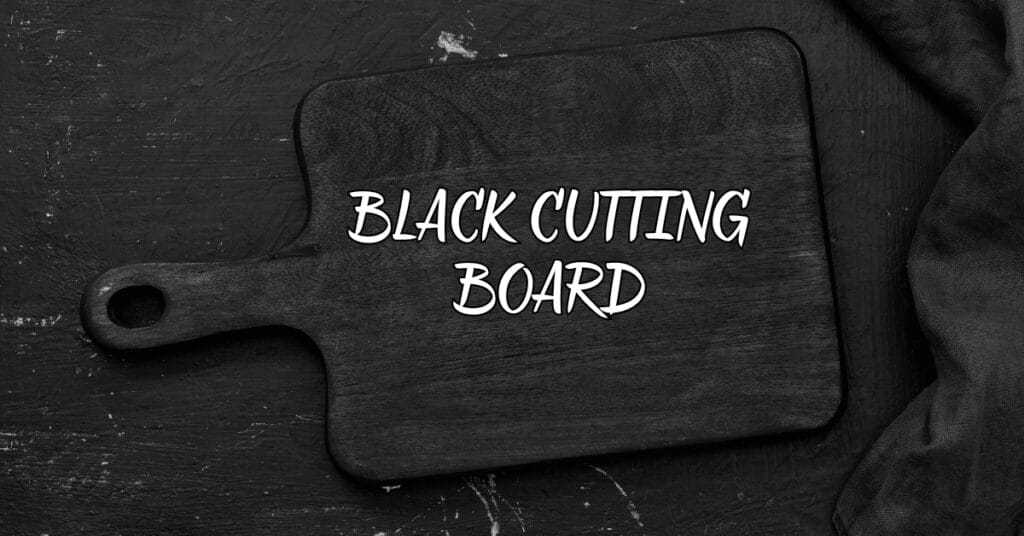
Cutting boards made of black have benefits beyond appearance. They serve several useful functions and give off a contemporary, polished appearance. Even after heavy usage, the black surface helps conceal stains and knife marks, keeping it looking spotless. Expert cooks appreciate how these boards can conceal small flaws that may be more noticeable on lighter-colored surfaces.
Material Considerations
When exploring black cutting boards, consider these primary material options:
- Bamboo with black finish • Hardwood with dark staining
- Synthetic materials like high-density polyethylene
- Composite materials with black pigmentation
Performance and Durability
Premium black cutting boards are made to endure the demanding conditions of a kitchen. Their remarkable endurance allows them to withstand scratches and retain their structural integrity over time. Options of a professional caliber can withstand heavy use without experiencing noticeable deterioration.
Hygienic Properties
A lot of cutting boards for cutting have antibacterial qualities that stop bacteria from growing and guarantee food safety. Cleaning and upkeep are very simple due to the non-porous surfaces. After preparing various ingredients, chefs can swiftly sanitize these boards, thereby reducing the likelihood of cross-contamination.
Selecting the Perfect Black Cutting Board
Consider these critical factors when choosing your ideal board:
- Size requirements
- Intended cooking style
- Maintenance capabilities
- Budget constraints
- Material preferences
Professional kitchens often prefer larger boards measuring 18×24 inches, while home cooks might opt for more compact 12×15-inch versions. The thickness also plays a crucial role in long-term performance and stability.
Care and Maintenance Tips
Proper maintenance ensures your black cutting board remains in top condition:
- Hand wash with mild detergent
- Avoid prolonged water exposure
- Use food-grade mineral oil for wooden boards
- Store in a cool, dry environment
- Rotate the board periodically to prevent warping
Recommended Brands
Several reputable manufacturers produce exceptional black cutting boards:
| Brand | Specialty | Price Range |
|---|---|---|
| Wüsthof | Professional-grade wooden boards | $100-$250 |
| John Boos | Premium hardwood options | $150-$300 |
| OXO | Synthetic innovative designs | $50-$100 |
Professional Recommendations
Culinary experts recommend investing in multiple cutting boards for different food preparation tasks. A black cutting board serves excellently for meat preparation, while having separate boards for vegetables and other ingredients helps maintain optimal hygiene standards.
Useful Resources:
By understanding the nuanced benefits of black cutting boards, home cooks and professional chefs can make informed decisions that enhance their culinary experiences. The right cutting board becomes an essential tool in creating delicious, safe, and beautifully prepared meals.
Material Composition and Durability of Black Cutting Surfaces
Exploring the world of black cutting boards reveals a fascinating intersection of design, functionality, and durability. Professional chefs and home cooks alike are increasingly drawn to these sleek kitchen essentials that combine aesthetic appeal with practical performance.
Innovative Material Selections
Different materials contribute uniquely to the composition of black cutting surfaces. High-quality options typically include:
- Slate-based surfaces
- Carbon fiber composites
- Advanced polymer materials
- Hardwood with specialized black treatments
- Synthetic stone derivatives
Each material offers distinct advantages in terms of knife interaction, durability, and overall performance. Professional kitchens frequently prefer materials that resist bacterial growth and maintain structural integrity under intense usage.
Performance Characteristics
It demonstrates remarkable resilience against wear and tear. The specialized manufacturing processes create surfaces that withstand significant culinary demands. Professional-grade options can endure thousands of knife strokes without showing substantial damage.
Ceramic-infused black cutting surfaces provide exceptional hardness, preventing deep knife marks that could harbor bacteria. These advanced materials create a smooth, non-porous environment ideal for food preparation.
Maintenance and Longevity
Proper care significantly extends the lifespan of black cutting boards. Recommended maintenance practices include:
- Regular cleaning with mild detergents
- Avoiding prolonged moisture exposure
- Using food-safe mineral oils for wooden variants
- Storing in cool, dry environments • Rotating surfaces to prevent uneven wear
Technological Advancements
Modern manufacturing techniques have revolutionized black cutting board production. Nanotechnology treatments now enable surfaces to resist microbial growth more effectively than traditional materials.
Composite materials incorporating graphite and advanced polymers create cutting surfaces with superior strength-to-weight ratios. These innovations provide professional chefs with tools that combine aesthetic elegance and unparalleled functionality.
Environmental Considerations
Manufacturers increasingly focus on sustainable production methods. Recycled materials and eco-friendly manufacturing processes are becoming standard in high-end black cutting board production.
Bamboo-based black cutting boards represent an excellent example of environmentally conscious design. These surfaces offer durability while minimizing ecological impact.
Professional Recommendations
Culinary experts recommend investing in multi-functional black cutting boards that accommodate various food preparation needs. Considerations should include:
- Surface texture
- Material density
- Knife-edge preservation
- Hygiene properties
- Size and portability
Price Range and Quality Factors
Black cutting board prices vary significantly based on material and manufacturing quality. Professional-grade options typically range from $50 to $250, reflecting advanced technological implementations.
| Material Type | Average Price | Durability Rating |
|---|---|---|
| Synthetic Polymer | $50-$100 | Medium |
| Hardwood Composite | $100-$200 | High |
| Advanced Ceramic | $200-$250 | Very High |
Useful Resources: Professional Chef Tools Culinary Innovations Kitchen Equipment Research
Aesthetic and Practical Benefits of Black Cutting Boards in Modern Kitchens
In the world of culinary design, cutting boards have evolved from mere kitchen tools to stylish accessories that reflect personal taste and functionality. Black cutting boards have emerged as a sophisticated choice for home cooks and professional chefs alike, offering a perfect blend of aesthetic appeal and practical performance.
Design Elegance Meets Culinary Functionality
More than simply basic functionality is required in modern kitchens. Black cutting tools are eye-catching pieces that go in perfectly with modern interior decor. Its sleek, black surface quickly improves the visual appeal of your kitchen by creating a striking contrast with light counters and stainless steel appliances.
Material Innovations in Black Cutting Boards
Manufacturers now offer black cutting boards in various premium materials:
- Bamboo with black epoxy coating
- Slate-inspired synthetic materials
- High-density food-grade polymers
- Marble-infused composite surfaces
Each material brings unique characteristics that enhance both durability and visual appeal. Professional chefs particularly appreciate the non-porous surfaces that resist bacterial growth and maintain hygienic standards.
Performance Characteristics
Black cutting boards aren’t just about looks. They provide exceptional performance characteristics:
| Feature | Benefit |
|---|---|
| Knife-friendly surface | Reduces blade dulling |
| Heat resistance | Suitable for hot dishes |
| Scratch-resistant | Long-lasting durability |
The dark coloration offers practical advantages beyond aesthetics. Black surfaces effectively hide minor scratches and stains, maintaining a pristine appearance even after extensive use. This makes them an ideal choice for both home cooks and professional kitchens.
Choosing the Perfect Black Cutting Board
When selecting a black cutting board, consider these essential factors:
- Size requirements for your kitchen
- Intended usage (meat, vegetables, bread)
- Maintenance and cleaning ease
- Compatibility with your cooking style
Professional culinary resources like ChefSteps recommend investing in high-quality cutting boards that complement your cooking techniques.
Maintenance and Care
Proper maintenance ensures your black cutting board remains in top condition:
- Hand wash with mild detergent
- Dry immediately after cleaning
- Apply food-grade mineral oil periodically
- Avoid prolonged exposure to direct sunlight
Specialty kitchen stores like Williams Sonoma offer specialized cleaning products designed specifically for premium cutting boards.
Sustainability Considerations
It is constructed of sustainable materials and will appeal to consumers who care about the environment. Environmentally friendly production techniques, such as the use of recycled materials and conscientious manufacturing procedures, are becoming more and more important to brands.
Black cutting boards are useful for more than just preparing food. They make sophisticated serving platters for cheese boards, snack presentations, and charcuterie. They are a wise investment for contemporary kitchens because of their multipurpose design.
Cutting boards should be chosen with an eye toward both practical functionality and aesthetic appeal, according to expert publications like Serious Eats.
The board for cutting is more than just kitchen equipment, regardless of whether you work as a professional chef or cook at home. It is a crucial element of a well-designed kitchen workspace, a statement of style, and a testament to quality.
Maintenance and Care Techniques for Long-Lasting Black Cutting Boards
Keeping your black cutting board in pristine condition requires strategic care and thoughtful maintenance. Professional chefs and home cooks understand that a well-maintained cutting board not only looks great but also ensures food safety and extends the product’s lifespan.
Understanding Material Characteristics
Black cutting boards typically come in various materials like wood, bamboo, or synthetic compositions. Each material demands specific care techniques. Wooden black cutting boards absorb moisture differently compared to synthetic options, requiring tailored maintenance approaches.
Essential Cleaning Protocols
Proper cleaning is fundamental to preserving your black cutting board’s integrity. After each use: • Rinse immediately with warm water • Use mild, food-safe dish soap • Avoid submerging the board completely • Dry thoroughly with a clean towel • Stand vertically to prevent moisture accumulation
Sanitization Strategies
Regular sanitization prevents bacterial growth.
Create a natural disinfecting solution using: – White vinegar – Hydrogen peroxide – Kosher salt – Lemon juice
Protective Conditioning Methods
Wooden black cutting boards benefit immensely from periodic conditioning. Food-grade mineral oil provides an excellent protective barrier against moisture and prevents cracking. Apply oil:
- Every 3-4 weeks, using a soft, lint-free cloth
- In smooth, even strokes
- Allow 24-hour absorption time
Avoiding Common Maintenance Mistakes
Prevent cutting board deterioration by avoiding: – Dishwasher cleaning – Prolonged water exposure – Harsh chemical cleaners – Direct sunlight storage – Extreme temperature variations
Storage Recommendations
Proper storage significantly impacts your black cutting board’s longevity. Store in: • Cool, dry environment • Vertical position • Away from direct heat sources • Protected from potential moisture
Professional Recommendations
Culinary experts recommend investing in high-quality cutting boards from reputable manufacturers. Consider boards from: JCPenneyCrate & BarrelWilliams Sonoma
Repair and Restoration Techniques
Minor scratches and surface imperfections can be addressed through: • Fine-grit sandpaper • Gentle buffing • Reapplication of protective oil • Professional restoration services
Signs of Replacement
Recognize when your black cutting board requires replacement: – Deep, irreparable gouges – Persistent odors – Warping – Extensive surface cracking – Compromised structural integrity
Material-Specific Care Guidelines
| Material | Maintenance Frequency | Recommended Products |
|---|---|---|
| Wooden Black Board | Monthly conditioning | Food-grade mineral oil |
| Synthetic Black Board | Weekly sanitization | Specialized plastic cleaners |
Investment in proper maintenance ensures your black cutting board remains a reliable kitchen companion, maintaining aesthetic appeal and functional excellence for years to come.
Comparing Black Cutting Boards: Wood, Plastic, and Composite Options
When selecting the perfect cutting board, color might seem like a purely aesthetic choice, but for black cutting boards, there’s more than meets the eye. Professional chefs and home cooks alike recognize that the material and design of a black cutting board can significantly impact food preparation efficiency and kitchen hygiene.
Material Considerations for Black Cutting Boards
Cutting boards made of wood have inherent antibacterial qualities and remarkable endurance. Hardwood types like ebony or walnut offer exceptional performance and a sleek black appearance. Wood’s capacity to self-heal small knife scars is valued by chefs since it preserves the board’s surface integrity over time.
Advantages of Wooden Black Cutting Boards
- Natural bacteria resistance
- Gentle on knife edges
- Aesthetic appeal
- Long-lasting performance
Plastic black cutting boards present a more budget-friendly and lightweight alternative. These boards are typically more affordable and easier to maintain. Modern manufacturing techniques allow for creating high-quality black plastic boards that resist staining and provide a non-porous surface.
Plastic Board Performance Characteristics
| Feature | Performance Rating |
|---|---|
| Durability | Medium |
| Knife Edge Protection | Low |
| Bacterial Resistance | High |
Composite black cutting boards represent a modern innovation, combining multiple materials to maximize performance. These boards often integrate synthetic polymers with wood fibers, creating a surface that balances durability, hygiene, and aesthetic appeal.
Key Factors in Selecting Black Cutting Boards
When choosing a black cutting board, consider these critical elements:
- Kitchen Usage Frequency
- Types of Foods Prepared
- Maintenance Requirements
- Budget Constraints
Professional chefs frequently recommend having multiple cutting boards for different food categories.
Maintenance Tips
Regardless of material, proper care extends your black cutting board’s lifespan:
- Regular cleaning with a mild detergent
- Thorough drying after each use
- Occasional mineral oil treatment for wooden boards
- Avoiding prolonged moisture exposure
Websites like Cutlery and More provide large selections of premium black cutting boards for anyone looking for solutions of a professional caliber. For more sophisticated culinary knowledge, serious home cooks may also want to check out ChefSteps.
Choosing the perfect black cutting board requires careful evaluation of the material. While plastic boards offer useful, low-maintenance options, wooden options offer classic appeal and natural qualities. Composite boards offer both performance and flair, making them an appealing compromise.
These are frequently chosen in professional kitchens due to their ability to conceal stains and offer a chic appearance. Beyond appearance, the color’s functional benefits include providing a neutral background that makes food stand out while it’s being prepared.
For those prioritizing hygiene with non-porous surfaces provide superior bacterial resistance. Modern manufacturing techniques have significantly improved material technologies, ensuring safer food preparation environments.
Ultimately, selecting the perfect black cutting board involves balancing personal preferences, cooking habits, and practical considerations. Whether you’re a professional chef or a passionate home cook, understanding these nuanced differences helps make an informed decision.
Conclusion
It has become more than simply a kitchen accessory; they are the ideal fusion of elegance, utility, and functionality. These multipurpose instruments, which offer outstanding performance, durability, and aesthetic appeal, have transformed food preparation for both home cooks and professional chefs.
The process of comprehending black cutting boards demonstrates their exceptional adaptability to a variety of materials and design possibilities. These surfaces offer a dependable base for culinary inventiveness, regardless of whether they are made of fine wood, premium plastic, or cutting-edge composite materials. In addition to matching contemporary kitchen designs, their slick black coating helps hide small dings and stains, keeping the surface immaculate.
Proper maintenance remains crucial in extending the life of your black cutting board. By implementing consistent cleaning techniques, avoiding harsh chemicals, and storing the board correctly, users can preserve its quality and functionality for years. The investment in a high-quality black cutting board pays dividends through enhanced cooking experiences and reliable food preparation surfaces.
In the end, personal cooking requirements, aesthetic tastes, and financial constraints all play a role in choosing the best black cutting board. Knowing the subtleties of these vital kitchen instruments is extremely beneficial for both amateur cooks and professionals. Black cutting boards stand out as both useful workhorses and fashionable statement pieces as kitchen design continues to change.
A well-chosen black cutting board is a clever addition to any kitchen for anyone looking for the ideal harmony between use and aesthetics. These surfaces demonstrate a dedication to high-quality and well-considered kitchen design in addition to supporting accurate food preparation.