



I learned about non-stick baking sheets after years of fighting with cookies that wouldn’t come off my baking sheets and brownies that left behind stubborn bits. Ever since I started using non-stick baking sheets, baking has gone from a messy chore to something I actually enjoy.
Whether you’re just baking for fun on weekends or constantly testing new recipes, knowing how these sheets work can really step up your game. The proper baking sheets will help you make perfectly golden cookies that slide off easily, instead of ones that need to be scraped and soaked.
This complete guide covers everything you need to know about non-stick baking sheets, including the different types available and valuable tips for making them last longer and work better.
Table of Contents
- What Are Non-Stick Sheets for Baking?
- Types of Non-Stick Baking Sheets
- Why Non-Stick Baking Sheets Matter
- Advantages of Non-Stick Baking Sheets
- Potential Drawbacks
- Comparing Non-Stick Options
- Real-World Performance Examples
- Current Market Trends
- Future of Non-Stick Baking Technology
- Making the Most of Your Investment
What Are Non-Stick Sheets for Baking?
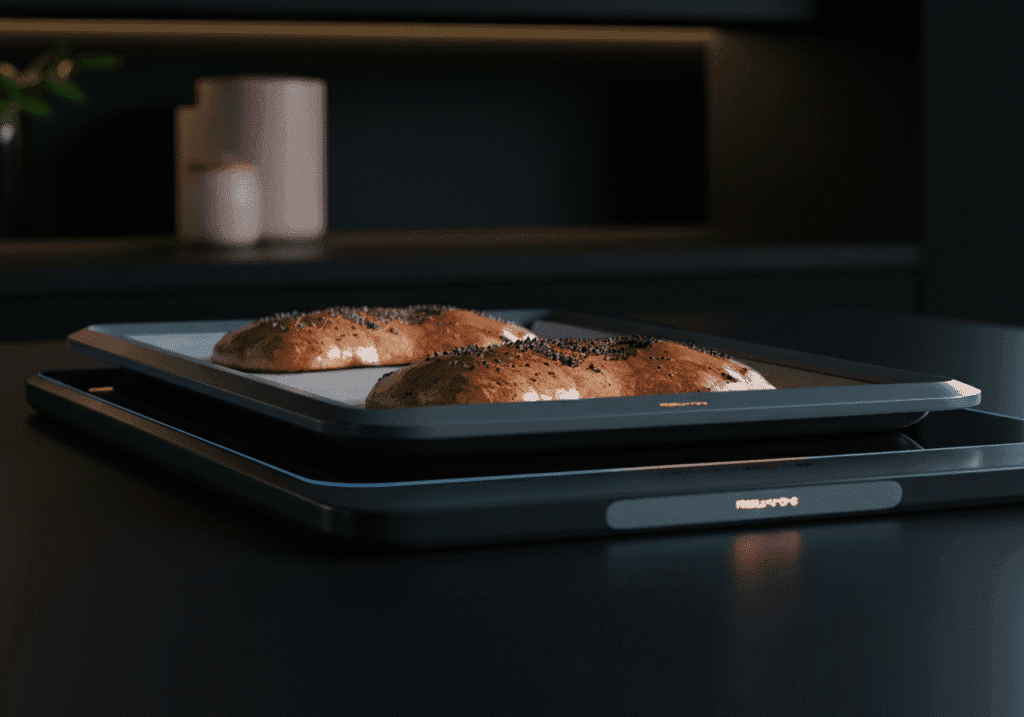
Non-stick baking sheets are special cookware with coatings or treatments on the surface that stop food from sticking while it bakes. One of the best things about non-stick baking sheets is that you don’t need to grease them or mess with parchment paper—unlike traditional steel or aluminium pans.
Different brands use different techniques to create the non-stick surface. Some go with ceramic finishes or textured layers, while others rely on chemical coatings like PTFE (yep, that’s the same stuff in Teflon). Either way, the idea is to keep your food from sticking to the pan.
Today’s non-stick sheets are built to last. They hold up well to repeated baking and still do their job. Plus, the better ones heat evenly, which means no weird hot spots or burnt edges.
Types of Non-Stick Baking Sheets
PTFE-Coated Sheets
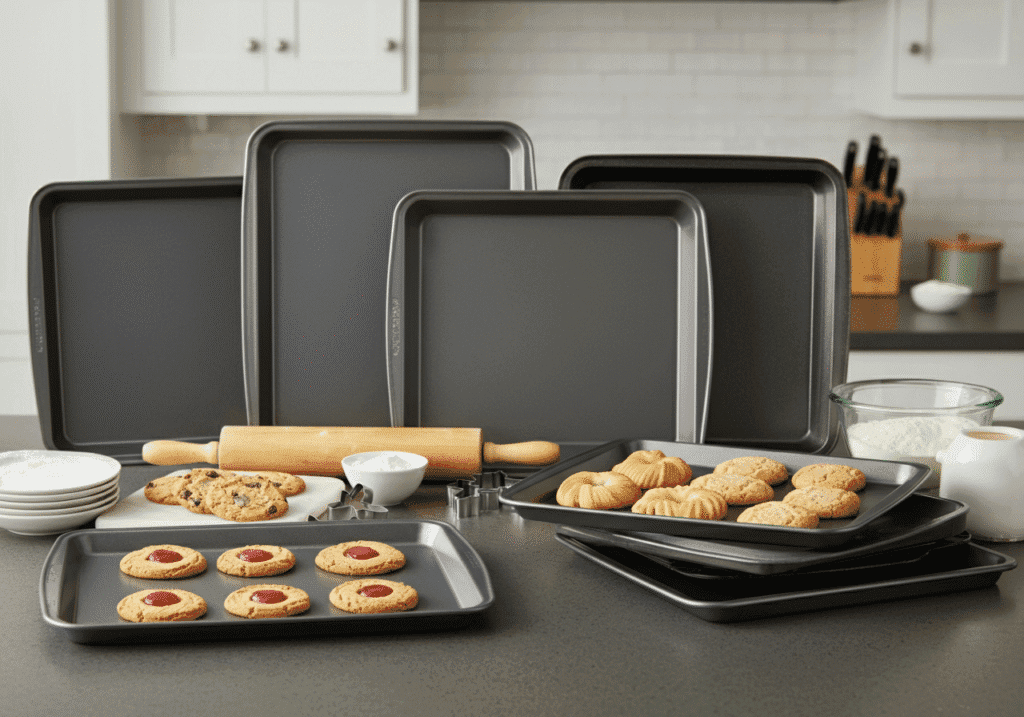
The most common type of non-stick cookware is baking sheets with a PTFE coating. The polymer coating on these sheets makes them very slippery. The coating usually looks like a dark, smooth finish that doesn’t need much oil or butter to let food go.
Professional bakers often choose PTFE sheets because they work the same every time. They work great for fragile things like fish fillets, vegetables, and cookies that tend to stick to regular surfaces.
Ceramic Non-Stick Sheets
If you’re looking for a more eco-friendly option, ceramic-coated baking sheets are a great choice. They have a smooth, glass-like surface that naturally resists sticking—no need for extra sprays or parchment paper. Most ceramic coatings come in white or off-white and can handle higher oven temps than traditional non-stick coatings like PTFE.
A lot of home bakers love ceramic sheets because they’re easy to clean and don’t release any harmful fumes, even at higher oven temperatures.
Silicone-Treated Sheets
Some manufacturers use silicone treatments instead of traditional coatings to make things non-stick. These sheets keep the bare metal look while making it easier to release. The silicone treatment deepens the metal, making the non-stick property last longer.
Hard-Anodized Sheets
When aluminium sheets are hard-anodised, an electrochemical process makes them naturally non-stick. This process makes the aluminium surface harder and more durable, and spreads heat evenly. These sheets usually last longer than sheets with a coating.
Why Non-Stick Baking Sheets Matter
Time and Effort Savings
The biggest benefit of cookie sheets with nonstick surfaces is that they cut down on the time it takes to clean up. You usually have to soak, scrub, and wash traditional baking sheets several times to get rid of baked-on residue. Usually, you only need a sponge and some mild soap to clean non-stick surfaces.
Consistent Results
When your baked goods come out clean every time, you can focus on perfecting your recipes instead of stressing about food sticking to the pan. That kind of consistency really matters—especially if you’re baking for special occasions or selling your treats.
Healthier Cooking Options
Good non-stick surfaces mean you don’t have to use as much oil, butter, or cooking spray. This decrease means that your finished products will have fewer calories and taste better. Many bakers who care about their health find that they can leave out added fats in some recipes.
Versatility
Modern nonstick baking sheets work well with a lot of different cooking methods. You can use them for just about anything—baking cookies, roasting veggies, crisping up bacon, or even reheating leftovers.
They’re one of those kitchen tools that end up being useful way more often than you’d expect.
Advantages of Non-Stick Baking Sheets
- Less Cleanup: Most non-stick sheets are a breeze to clean. Usually, just a quick rinse and gentle wipe do the trick—saving you time and effort in the kitchen.
- Even Heating: Many quality non-stick pans have aluminium cores that spread heat evenly. This means no annoying hot spots, so your food cooks uniformly without burning.
- Healthier Cooking: Because food doesn’t stick, you can use less oil or butter. That’s great for keeping your recipes lighter and healthier without sacrificing flavour or texture.
- Built to Last: Take care of your non-stick sheets, and they can easily last for years. The upfront cost pays off since you won’t need to replace them often.
- Temperature Friendly: Modern non-stick coatings can handle a wide temperature range—from freezing cold to around 400–500°F—so they’re pretty versatile.
Potential Drawbacks
- Coating Wear and Tear: Over time, all non-stick coatings will start to break down. Things like high heat, scrubbing too hard, and regular use can slowly wear away the surface.
- Heat Limits: Non-stick coatings have temperature limits. If you go beyond those, the coating can get damaged—and in some cases, might release harmful chemicals. So it’s important to stick to the recommended temps.
- Handle with Care: Non-stick sheets need a bit more TLC than regular pans. Metal utensils can scratch the surface, and harsh cleaners can wear it down faster.
- Cost Factor: Basic aluminium pans are usually cheaper than high-quality non-stick ones. But many people find the extra cost worth it for the easier cleanup and better baking results.
Comparing Non-Stick Options
| Sheet Type | Durability | Heat Limit | Best For |
|---|---|---|---|
| PTFE-Coated | 2-3 years | 400°F | General baking, cookies |
| Ceramic | 3-5 years | 450°F | High-heat applications |
| Silicone-Treated | 4-6 years | 425°F | Professional use |
| Hard-Anodized | 5+ years | 500°F | Heavy-duty baking |
Your needs, budget, and how often you bake will help you decide which non-stick option is best for you. PTFE-coated sheets might be fine for home bakers who only bake occasionally, but serious bakers might like the hard-anodised surface to last longer.
Real-World Performance Examples
Cookie Baking Success
Sarah bakes cookies at home every week and switched from regular aluminium sheets to ceramic-coated non-stick ones. She says that her chocolate chip cookies always come out perfectly, keeping their shape without breaking. It used to take 15 minutes of scrubbing to clean up, but now it only takes 2 minutes of gentle washing.
Professional Bakery Experience
Tom’s Bakery has new commercial-grade PTFE-coated baking sheets for all of its baking sheets. The money spent on the investment was worth it because it cut down on the cost of cleaning up and the number of products that got damaged because they stuck together. They were able to make about 20% more products because the time between batches was shorter.
Vegetable Roasting Results
Maria learned that roasting vegetables on non-stick sheets kept them from sticking and didn’t need a lot of oil. Her roasted Brussels sprouts and carrots now caramelise perfectly and don’t leave any residue on the pan. The vegetables also keep more natural flavours because there are no stuck-on bits.
Current Market Trends
Eco-Friendly Coatings
Manufacturers are increasingly working on making non-stick coatings that are good for the environment. These new formulations keep great release properties while getting rid of chemicals that could be harmful. Ceramic and mineral-based coatings are at the forefront of this trend.
Multi-Layer Construction
Baking sheets of today. Many non-stick surfaces have multiple layers to make them last longer and work better. These building methods use different materials to ensure that heat is spread evenly, that coatings stick well, and that the structure lasts longer.
Smart Features
Some high-end non-stick baking sheets now have built-in cooling racks, measurement markings, or colour-changing indicators showing the best temperatures. These new features make things easier and more useful than just being non-stick.
Dishwasher-Safe Options
Hand washing usually makes non-stick coatings last longer, but newer formulas can handle dishwasher cycles. This convenience is appealing to busy families and businesses that want to get the most done in the least amount of time.
Future of Non-Stick Baking Technology
Advanced Coating Chemistry
Scientists are still looking into new coating materials that might last longer and work better. Graphene-based coatings could make non-stick surfaces that are almost impossible to break and could last for decades instead of just years.
Self-Healing Surfaces
Scientists are working on coatings that can fix small scratches and wear on their own. These self-healing properties could make non-stick baking sheets last much longer.
Temperature-Responsive Materials
In the future, non-stick sheets may have coatings that change their properties depending on the temperature. This would make them work better in a wider range of cooking situations.
Antimicrobial Properties
New technologies might be able to add antimicrobial properties directly to non-stick coatings, making food safer and making cleaning up even easier.
Making the Most of Your Investment
When you know how non-stick sheets for baking work, you can make smart choices about the tools you use in the kitchen. The right baking sheets can make cooking easier and less frustrating, and help you get better results.
Frequently Asked Questions
Are Non-Stick Baking Sheets Good?
Non-stick baking sheets are a total game-changer—they make cleanup way easier and keep food from sticking. Whether you’re an experienced baker or just starting out, these sheets help your cookies and other treats bake evenly and slide right off the pan without a fuss.
Is Non-Stick Baking Paper Safe?
Yes, it’s generally safe to use. Non-stick baking paper—also called parchment paper—is usually coated with food-safe silicone that can handle high oven temps. Just be sure to follow the temperature guidelines on the packaging to avoid any issues.
Is Non-Stick Safe for Baking?
It is, as long as you use it properly. Most modern non-stick cookware is made to handle high heat and repeated use. Just avoid using metal utensils that can scratch the surface, and don’t crank the oven past the recommended limit.
What’s the Best Material for Non-Stick Baking Pans?
It really depends on your needs and budget. Here’s a quick breakdown:
- Silicone – Flexible, lightweight, and easy to clean. Great for muffins or non-crispy bakes.
- Ceramic – Naturally non-stick and free from chemical coatings. It handles high heat well and resists scratches.
- Aluminium – Heats evenly and bakes things well, but can react with acidic foods like tomatoes.
- Stainless Steel – Super durable, but not naturally non-stick unless coated.