



Why Every Kitchen Needs Quality Baking Sheets
Baking sheets may seem like the simplest kitchen tool, but they’re actually one of your most useful ones. These flat metal pans are the unsung heroes behind many tasty meals, from perfectly golden biscuits to crispy roasted vegetables.
But many home cooks don’t realise how much a good baking sheet can change how their food turns out. The right baking sheet can make the difference between cookies that are evenly baked and cookies with burnt bottoms and raw centres. It can turn a simple weeknight meal into a delicious feast with little to no cleanup.
Knowing the benefits of using the proper baking sheets will change how you cook and bake, whether you’re an experienced baker or just starting. This guide covers everything you need to know about these useful kitchen tools, including the different types available and creative ways to use them that go beyond baking.
Understanding Different Types of Baking Sheets
Before we get into the pros and cons, we must know the different kinds of baking sheets and how they work differently.
Aluminium Baking Sheets
Aluminum sheets are the most popular choice for home and work kitchens. They are very good at conducting heat, which makes for even browning and consistent results. These sheets are cheap, light, and great for baking every day.
The main problem is that they tend to warp when they get too hot, especially the thinner ones. Commercial-grade aluminium sheets with reinforced edges, on the other hand, are very durable and not too expensive.
Stainless Steel Options
Stainless steel baking sheets last longer and don’t react with acidic foods like tomatoes or citrus fruits. They look the same over time and can handle high temperatures without bending.
These sheets usually cost more than aluminum ones and might not spread heat as evenly. However, the fact that they last a long time often makes the initial cost worth it.
Non-Stick Surfaces
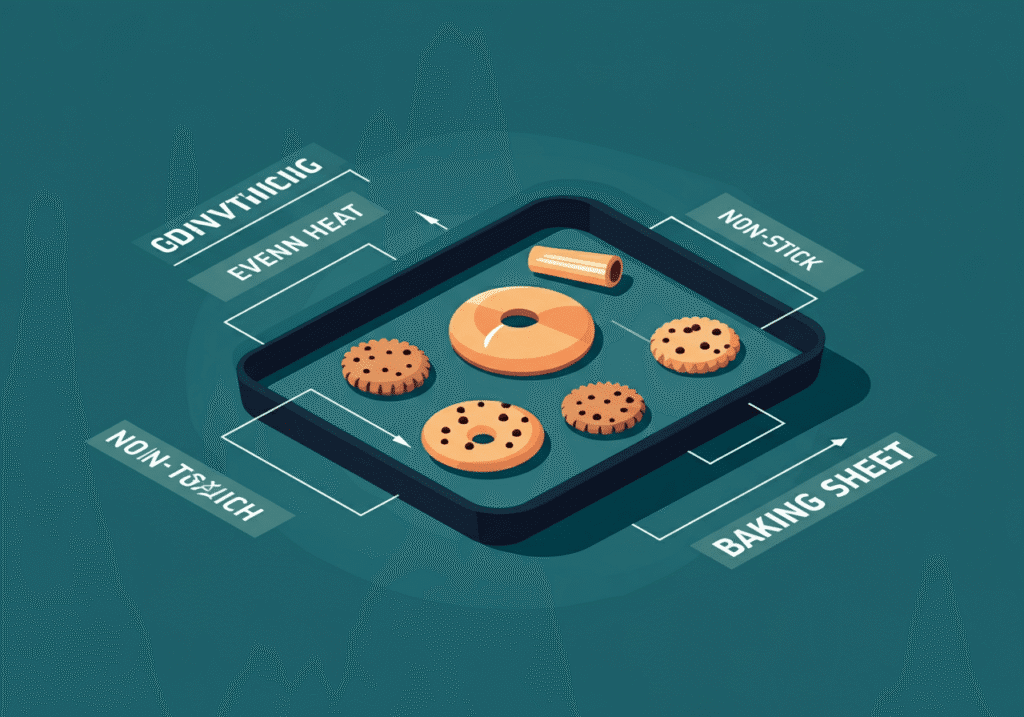
Nonstick baking sheets have special coatings that keep food from sticking, so it’s easy to take them off and clean them. They are invaluable for fragile things like fish or sticky batters.
The coating can wear off over time, especially with heavy use or harsh cleaning. There are also temperature limits because too much heat can hurt the non-stick surface.
Insulated Baking Sheets
These sheets have two layers and an air pocket between them. This extra insulation keeps the bottoms from getting too brown while the tops cook properly.
They’re great for soft cookies and pastries.
The insulation can take longer to cook, so you may need to change the recipe. They also tend to be heavier and cost more than options with only one layer.
Silicone Baking Mats
Silicone mats that go on regular baking sheets aren’t technically sheets, but they have non-stick properties and help spread heat evenly. They’re good for the environment, can be used again, and are great for sticky sweets.
They need to be stored correctly to avoid damage, and they might not brown as well as direct metal contact.
Key Advantages of Using Quality Baking Sheets
Superior Heat Distribution
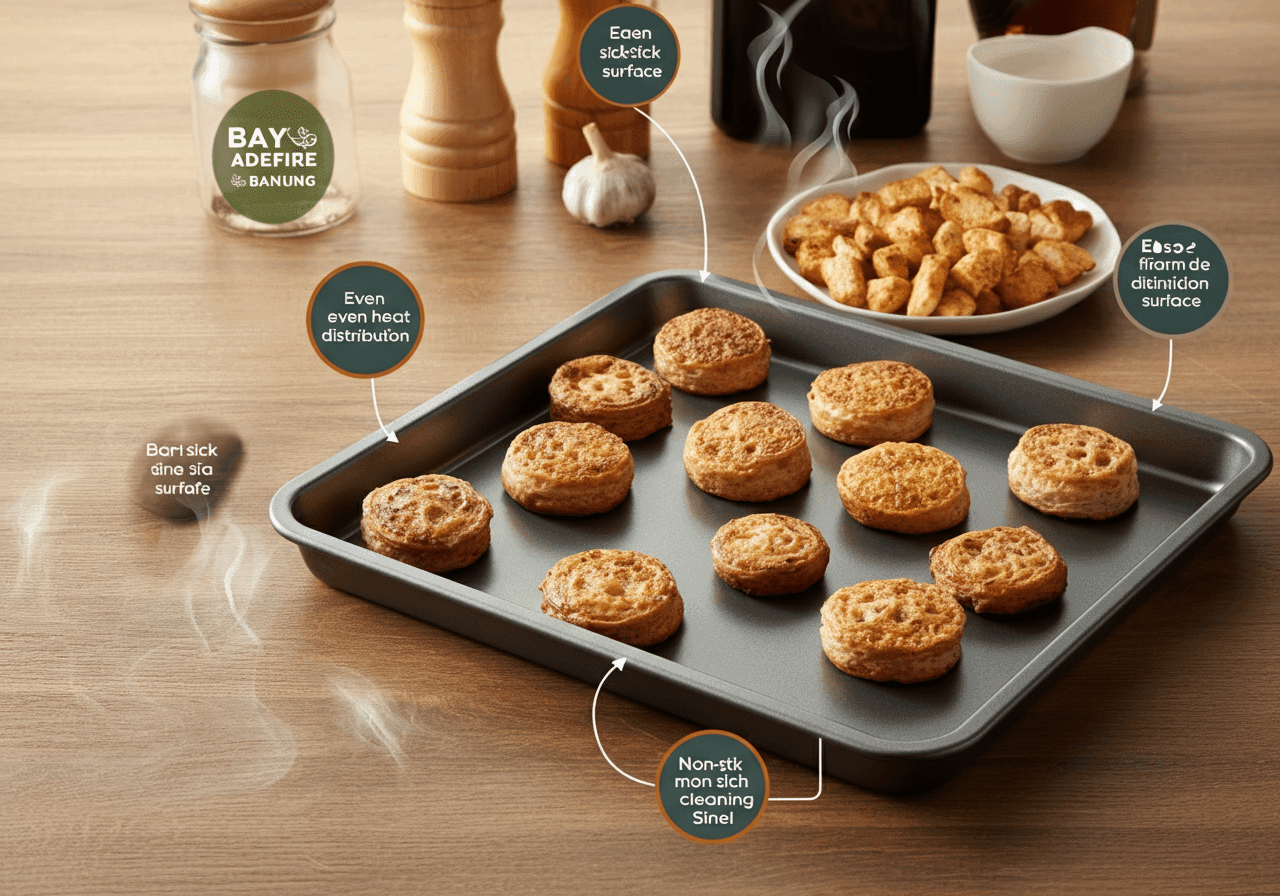
Quality baking sheets are great at spreading heat evenly over their surface, eliminating hot spots that make food cook unevenly. This consistency ensures that your cookies brown, your vegetables roast evenly, and your baked goods always come out perfectly.
The type of material and thickness of your baking sheet directly affect how heat spreads. Thicker sheets keep their temperatures more stable than thinner ones, which makes cooking results more predictable.
Unmatched Versatility
You can use baking sheets for more than just cookies and cakes. They can roast vegetables, heat leftovers, catch drips from pies, and make full meals on a sheet pan. This flexibility makes them essential tools that deserve a spot in the kitchen.
A good baking sheet can handle a lot of different cooking methods and types of food, from breakfast hash to dinner vegetables. This flexibility means you don’t need as many pans for other recipes.
Effortless Cleaning
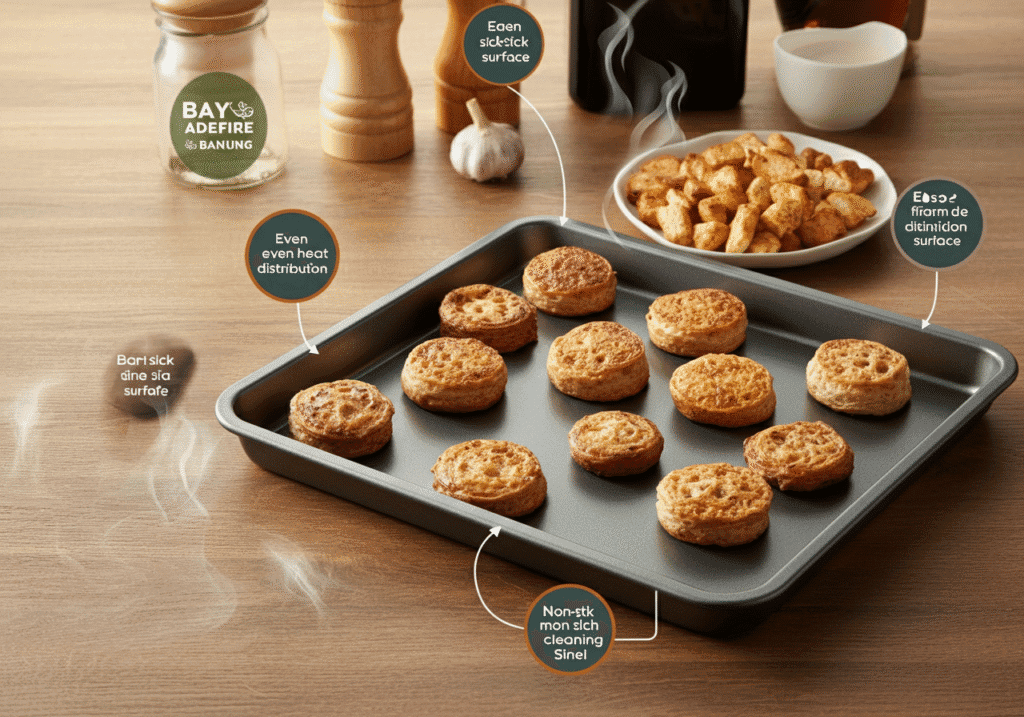
Modern baking sheets are straightforward to clean using parchment paper or a non-stick surface. Many can go in the dishwasher, but hand washing them often makes them last longer.
Proper baking sheets don’t hold onto smells or stains; they stay useful and look good for years. This simple upkeep makes people want to cook and bake more often.
Long-Term Durability
Quality baking sheets can be used daily for years without warping, rusting, or losing usefulness. Because they last so long, they are great long-term investments that keep working well.
Cheap baking sheets may warp after a few uses, but well-made ones keep their flat surface and even heating properties for as long as they last.
Preventing Burning and Sticking
Good baking sheets, mainly when used with parchment paper or silicone mats, keep food from burning or sticking to the surface. This protection keeps your cookware and food safe.
The even heat distribution also stops hot spots from forming, which can cause burning, and ensures that the whole surface gets the same results.
Choosing the Perfect Baking Sheet
Material Considerations
Choose materials based on what you need to cook most of the time. Aluminum is excellent for most baking tasks because it conducts heat well, and stainless steel is great for high-heat roasting because it lasts a long time. Non-stick surfaces are suitable for fragile things, and insulated sheets are ideal for soft baked goods.
Think about how each material works with the recipes you usually use. Certain metals may react with acidic foods, and cooking at high temperatures may harm non-stick coatings..
Size and Thickness Matter
Most home ovens can fit standard half-sheet pans, which are about 18 by 13 inches and give you plenty of room to cook. Quarter-sheet pans are great if you have a small kitchen or make small batches.
The thickness affects how well the heat spreads and how long it lasts. Heavy-gauge sheets (about 16-gauge) work better than thin sheets, but they cost more at first.
Rim Design
Look for sheets with raised edges (usually ½ to 1 inch) to catch spills and keep food from sliding off. But for moving fragile things like cookies, sheets that are flat and have no edges work better.
How the rim is shaped can change how air moves around food, changing how long it takes to cook and how brown it gets.
Research and Reviews
Read reviews from other home cooks to see how well it works in the real world. Instead of just paying attention to first impressions, pay attention to comments about how easy it is to clean, how durable it is, and how it warps.
Chefs and baking experts can help you find sheets that work well, even when used often.
Proper Maintenance and Care
Effective Cleaning Methods
Clean your baking sheets right after you use them to keep food from getting stuck on them and making it hard to remove. Most cleaning jobs can be done well with warm, soapy water.
Make a paste with baking soda and water for tough stains. Let it sit for a few minutes, then scrub gently. Please don’t use too rough cleaners, as they could hurt the surface.
Preventing Warping
Never put hot baking sheets directly into cold water, because the sudden temperature change can cause them to warp. Let them cool down slowly before you wash them.
Don’t use sheets as cutting boards or work surfaces for heavy tasks; don’t overload them beyond their weight limit.
Storage Solutions
Store baking sheets upright when you can to save space and keep them from getting scratched. Put parchment paper or cloth between the sheets if you need to stack them.
Keep them dry, mainly carbon steel or unfinished metal sheets, from rusting.
Creative Applications Beyond Traditional Baking
Roasting Vegetables
Baking sheets are great for roasting vegetables because they have a large surface area that lets them caramelise properly. The even heat distribution ensures that the results are the same for all kinds and sizes of vegetables.
Put the vegetables in a single layer with enough space between them to encourage browning instead of steaming.
Sheet Pan Dinners
You can make complete meals on one baking sheet by combining proteins, vegetables, and starches that cook simultaneously. This method cuts down on cleaning time while bringing out the most flavour.
When planning sheet pan meals, think about the sizes of the ingredients and how long they need to cook so that everything is done simultaneously.
Food Preparation Tasks
Use clean baking sheets as big work surfaces to roll out dough, sort ingredients, or put things together before cooking. Their flat tops and raised edges keep messes in check.
They also work well for cooling baked goods, freezing things in single layers, or moving food around.
Party and Event Serving
For parties, large baking sheets can be used as big serving platters. They have plenty of room for appetisers, desserts, or buffet food.
Because they are strong, they can be used at outdoor events where traditional serving dishes might not work.
Maximising Your Baking Sheet Investment
When you think about how useful, long-lasting, and helpful they are for cooking, quality baking sheets are a great deal. They make cooking and cleaning easier by turning regular ingredients into excellent meals.
The benefits go beyond better food to save time, make less waste, and feel more confident in the kitchen. The right baking sheet makes making cookies easier and more fun for a special occasion or a quick weeknight dinner.
Buy good baking sheets that fit your cooking style and kitchen needs. If you take good care of them, they’ll last for years and give you many tasty meals and fun baking times that prove their worth.