


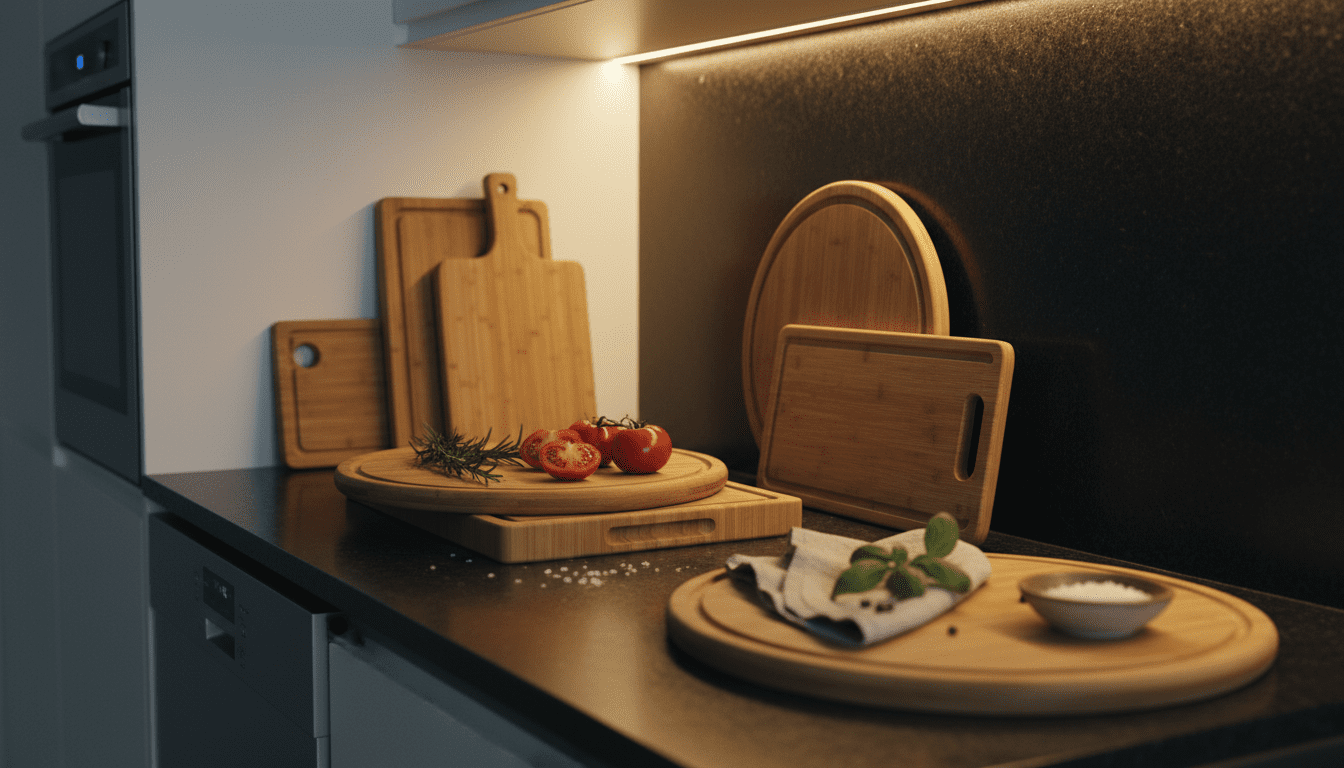

Bamboo cutting boards were at the top of my list when I first thought about getting rid of my old plastic chopping mats and getting something more durable. They looked great, promised to be good for the environment, and were surprisingly cheap compared to heavy blocks of maple or walnut. But using one every day is a little different from the pretty pictures of the product.
I’ve been chopping everything from onions to roast chickens on my bamboo board for months, and now I know exactly where it works well and where it doesn’t. This guide covers everything you need to know about using bamboo in your kitchen, from the satisfying “tap” of the knife to the specific cleaning routine you need to follow to keep it from cracking.
Table of Contents
What Are Bamboo Cutting Boards?
When I first thought about getting rid of my old plastic cutting mats and getting something stronger, bamboo cutting boards were at the top of my list. They looked great, promised to be good for the environment, and were surprisingly cheap compared to big blocks of maple or walnut. But using one every day is not the same as the nice pictures of the product.
I’ve been using my bamboo board to chop everything from onions to roast chickens for months, and now I know exactly where it works well and where it doesn’t. This guide tells you everything you need to know about using bamboo in the kitchen, from how to make the knife “tap” sound to how to clean it so it doesn’t crack.
How It Actually Performs in a Home Kitchen
Real Cooking Results
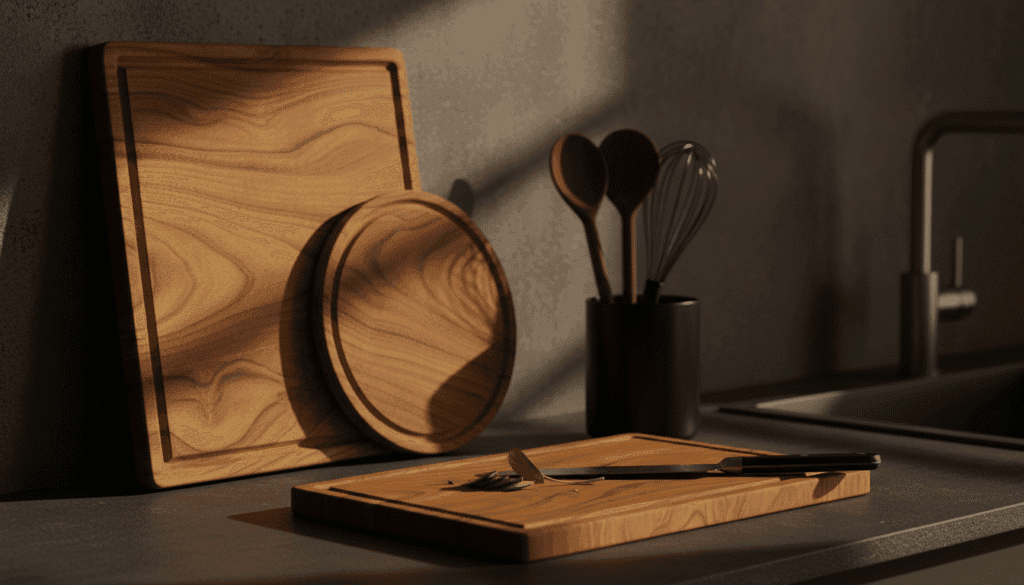
The first thing that struck me was how hard it was. When you cut up vegetables, you hear a very high-pitched sound. It doesn’t scar easily because the surface is so thick. After months of use, my board still looks pretty smooth. My softer wood boards usually show knife marks within a week.
But that hardness comes with a cost. I had to sharpen my chef’s knife more often. The bamboo doesn’t bend as end-grain walnut does, so your knife edge takes a little more of a beating.
Cleaning and Maintenance Reality
I’ll be honest: I ruined my first bamboo board by putting it in the sink. The glues that held the bamboo strips together didn’t like being wet for long periods of time, so the board warped a little.
I found out that there is no way to clean the bamboo cutting board surfaces wrong. These can’t go in the dishwasher. The only thing you can do is give it a quick scrub with hot, soapy water and then dry it right away. I also learned that bamboo gets “thirsty” very quickly. I have to oil it with food-grade mineral oil about once a month, or it starts to look lighter, which means the fibers are drying out.
Ease of Use
The weight was a nice surprise. When compared to solid wood blocks of the same size, bamboo boards are lighter. This makes it a lot easier to move the board to the sink to wash it or to put chopped vegetables into a pot. Bamboo is a great middle ground between flimsy plastic and heavy wood if you have trouble lifting heavy pots and pans.
Are Bamboo Cutting Boards Good? Pros and Cons
To help you decide, here is a breakdown of my experience using bamboo compared to other materials.
| Feature | Pros | Cons |
|---|---|---|
| Durability | ✅ Tough surface; resists deep scratches and scarring better than most woods. | ❌ The hardness can dull knife blades faster than softer hardwoods like maple or cherry. |
| Sustainability | ✅ Highly renewable resource; grows back quickly without replanting. | ❌ Requires adhesives (glues) to bind the strips, so quality varies by manufacturer. |
| Maintenance | ✅ Naturally resists water absorption better than porous woods. | ❌ Prone to splitting if not oiled regularly; strictly hand-wash only. |
| Price | ✅ Very affordable; looks premium without the high cost. | ❌ Cheaply made versions can have rough edges or use non-food-safe glues (check the label!). |
| Hygiene | ✅ Dense surface means fewer deep grooves for bacteria to hide in. | ❌ If the board cracks, those fissures become hard to clean. |
Who This Product Is Best For
- The Eco-Conscious Cook: If sustainability is your priority, bamboo is hard to beat.
- The Budget Decorator: If you want that warm “wood” look on your counter for under £30, this is the perfect choice.
- The Salad & Veggie Prep Chef: It’s excellent for chopping vegetables and fruit, where you want clean cuts and a lightweight board to carry to the salad bowl.
Who Should Probably Skip It
- The Japanese Knife Enthusiast: If you have expensive knives made of high-carbon steel, the hardness of bamboo might roll your edges too quickly. Use a board made of soft end-grain wood or rubber.
- The “Dishwasher Everything” Household: If you know you won’t hand-wash it, bamboo isn’t for you. It will crack and fall apart in the dishwasher.
Rating: 4.0/5 ⭐⭐⭐⭐
I give bamboo cutting boards a strong 4 out of 5. They lose a point because they are harder on knives than high-end wood and need a lot of care to keep from splitting. But for the price, how long they last, and how good they are for the environment, they are a great addition to most kitchens.
FAQ
u003cstrongu003eWhat are the disadvantages of bamboo cutting boards?u003c/strongu003e
The main problem is that bamboo has a lot of silica in it, which makes it harder than most other woods. This hardness can make your kitchen knives dull faster than softer woods like maple or walnut. Bamboo boards are also made up of many strips that are glued together, so they can split or warp if they get too much water or heat, like in a dishwasher.
u003cstrongu003eWhat are the u003ca href=u0022https://kitchenmaxi.com/best-healthiest-cutting-board-guide/u0022 target=u0022_blanku0022 data-type=u0022linku0022 data-id=u0022https://kitchenmaxi.com/best-healthiest-cutting-board-guide/u0022 rel=u0022noreferrer noopeneru0022u003ehealthiest cutting boardsu003c/au003e to use?u003c/strongu003e
The best boards are the ones that can be cleaned completely and don’t hold bacteria. Bamboo and dense woods like maple are great because they don’t get deep scars that bacteria like to hide in. Plastic is fine, but it gets deep grooves over time that are hard to clean. To avoid cross-contamination, it’s best to use different boards for raw meat and fresh produce.
u003cstrongu003eHow to cut a bamboo board?u003c/strongu003e
If you’re trying to make a bamboo board smaller for a DIY project, treat it like hardwood. To avoid splintering, use a table saw or circular saw with a fine-tooth blade. Make sure to sand the edges of the cut well, because cut bamboo can be very sharp and rough. Seal the exposed edge with mineral oil or beeswax afterward.
u003cstrongu003eIs it safe to cut meat on a bamboo cutting board?u003c/strongu003e
Yes, it’s safe as long as you clean it well right after you use it. Bamboo is less porous than most woods, which means it doesn’t soak up as much meat juice. But make sure to wash it with hot, soapy water and dry it right away. Don’t let it soak. Many experts still prefer a plastic board for raw meat because it can go in the dishwasher to be cleaned at a high temperature. However, bamboo works just as well if you take care of it.
Conclusion:
I can say with confidence that bamboo cutting boards belong in the kitchen after using them. They aren’t perfect; you’ll need to sharpen your knives more often and keep the mineral oil close by. But they are a strong, long-lasting, and beautiful surface that makes cooking every day easy. If you take care of it, a bamboo board will be a useful countertop for many years.