


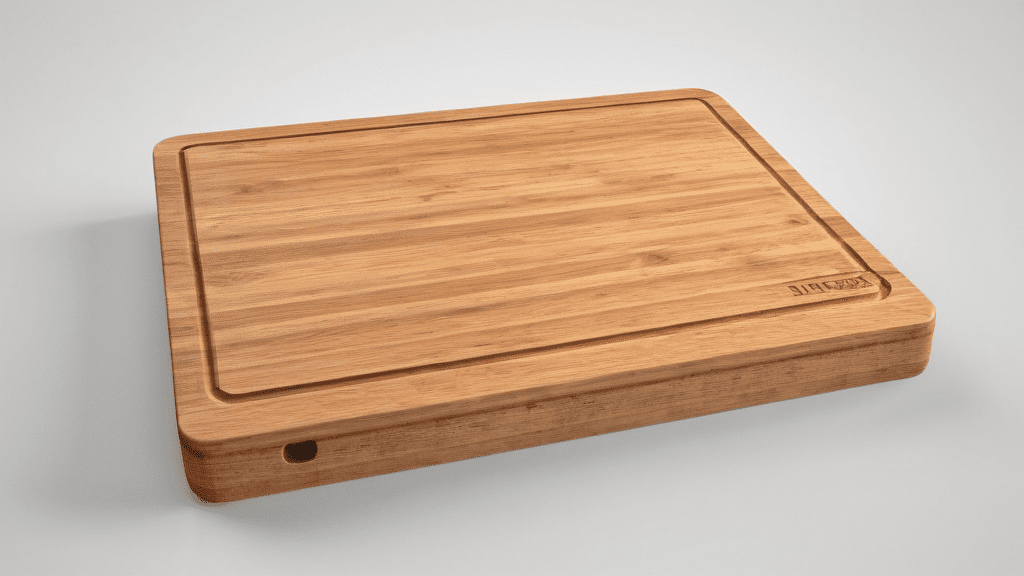

Understanding Standard Cutting Board Dimensions: Material Considerations for Different Cutting Board Sizes
When selecting the perfect cutting board, understanding the relationship between material and dimensions is crucial for both home cooks and professional chefs. Different materials offer unique characteristics that impact performance, durability, and maintenance across various sizes of cutting boards.
Wood Cutting Board Dimensions and Characteristics
Wooden cutting boards remain a classic choice for many kitchens. Typically available in sizes ranging from 12×8 inches for smaller prep tasks to 24×18 inches for professional kitchen use, wood offers exceptional durability and natural antibacterial properties. Hardwoods like maple and walnut provide superior performance, with thicknesses varying between 1-2 inches depending on intended use.
Maple Cutting Board Considerations
- Ideal for heavy chopping
- Dimensions: 15×20 inches recommended for home kitchens
- Thickness: 1.5 inches provides stability
- Naturally resistant to bacterial growth
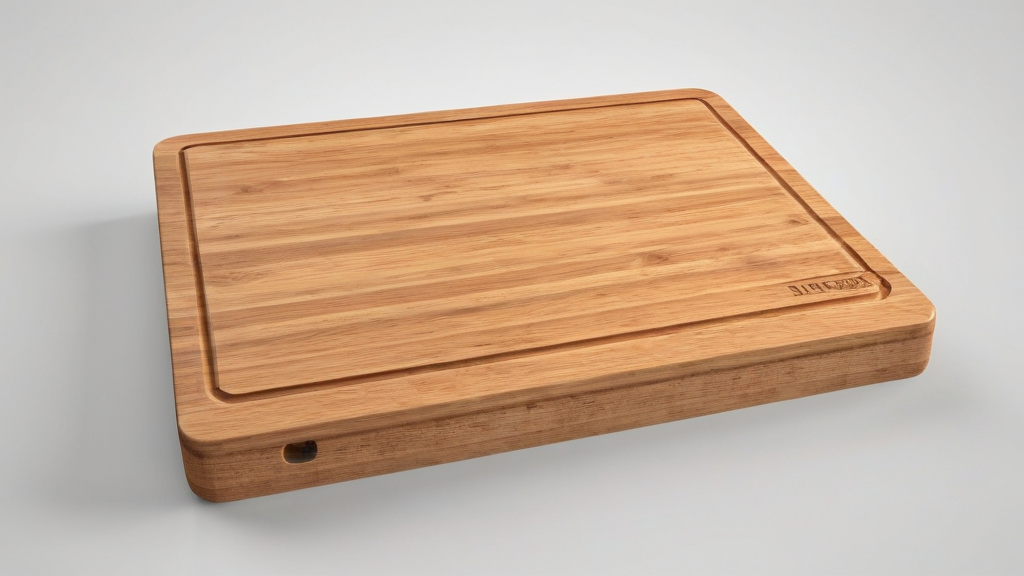
Synthetic Material Cutting Board Options
Synthetic materials like high-density polyethylene (HDPE) offer versatile dimensions and lightweight construction. Professional kitchens often prefer these boards in standard sizes:
- Small: 12×9 inches
- Medium: 18×12 inches
- Large: 24×18 inches
Plastic Cutting Board Advantages
Plastic boards excel in specific dimensional requirements:
- Dishwasher safe
- Lightweight
- Color-coded for different food preparations
- More affordable than wood alternatives
Bamboo Cutting Board Specifications
Bamboo cutting boards represent an eco-friendly alternative with unique dimensional characteristics. Typically ranging from 12×9 to 20×15 inches, these boards offer:
- Sustainable material
- Lightweight design
- Moderate hardness
- Resistance to moisture
| Material | Typical Dimensions | Thickness Range | Best Used For |
|---|---|---|---|
| Maple Wood | 15×20 inches | 1-2 inches | Heavy chopping |
| HDPE Plastic | 12×9 to 24×18 inches | 0.5-1 inch | Multiple food types |
| Bamboo | 12×9 to 20×15 inches | 0.75-1.25 inches | Light to moderate cutting |
Professional Kitchen Dimension Recommendations
Professional chefs typically require larger cutting boards with specific dimensional considerations:
- Meat preparation: 24×18 inches
- Vegetable chopping: 20×15 inches
- Bread and pastry work: 18×12 inches
Useful External Resources: Food & Wine Cutting Board Guide, Serious Eats Cutting Board Recommendations
Material Density and Performance
The relationship between cutting board dimensions and material density significantly impacts performance. Denser materials like hard maple provide superior durability and longevity, while softer materials might require more frequent replacement.
Selecting the right cutting board involves understanding how dimensions and materials interact with your specific culinary needs. Consider factors like frequency of use, types of food prepared, and maintenance requirements when making your selection.
Professional Kitchen vs. Home Cutting Board Requirements
When selecting cutting board dimensions, chefs and home cooks have distinctly different requirements that impact their kitchen workspace and culinary performance. Professional kitchens demand robust, precision-engineered cutting surfaces that can withstand intense daily use, while home environments prioritize space efficiency and versatility.
Professional Kitchen Cutting Board Specifications
Professional environments require cutting boards that meet rigorous commercial standards. Typical professional cutting board dimensions range from 18 x 24 inches to 24 x 36 inches, offering expansive work surfaces capable of handling high-volume food preparation. These substantial boards are typically constructed from commercial-grade materials like:
- Thick maple hardwood
- High-density polyethylene
- Sanitization-friendly synthetic materials
Thickness becomes crucial in professional settings, with boards measuring between 1-1.5 inches to prevent warping and ensure durability under constant use. Restaurants and professional kitchens often invest in multiple boards, color-coding them to prevent cross-contamination between different food types.
Home Kitchen Cutting Board Considerations
Home cooks have more flexible dimensional requirements. Most residential cutting boards range from 12 x 18 inches to 15 x 20 inches, designed to fit standard kitchen countertops and storage spaces. These dimensions balance functionality with practical storage constraints.
Material selection for home cutting boards includes:
- Bamboo
- Wooden boards
- Plastic composites
- Silicone-based materials
Critical Dimensional Factors
Several key factors influence cutting board dimensions beyond mere size:
| Factor | Professional Impact | Home Kitchen Impact |
|---|---|---|
| Surface Area | Maximum workspace efficiency | Counter space management |
| Material Thickness | Durability under constant use | Occasional meal preparation |
| Weight Capacity | Heavy-duty food processing | Light to moderate chopping |
Ergonomic Dimensional Considerations
Professional kitchens prioritize ergonomic design, selecting cutting board dimensions that minimize chef fatigue. Standard counter heights around 36 inches, combined with appropriately sized boards, reduce physical strain during extended food preparation periods.
Home cooks should consider personal height and counter dimensions when selecting cutting boards. Oversized boards can create awkward working angles, while undersized boards limit preparation efficiency.
Specialty Cutting Board Dimensions
Specialized cutting boards cater to unique culinary needs:
- Meat carving boards: Wider with juice grooves
- Bread cutting boards: Longer, narrower designs
- Cheese preparation boards: Smaller, more compact surfaces
Additional Resources: Food Safety Guidelines, Commercial Kitchen Standards
Choosing appropriate cutting board dimensions involves balancing workspace requirements, material durability, and individual cooking styles. Whether preparing meals in a bustling restaurant kitchen or a home cooking environment, understanding dimensional nuances ensures optimal food preparation performance.
Ergonomic Factors in Selecting Cutting Board Dimensions
When selecting the perfect cutting board, understanding the relationship between dimensions and ergonomic design can significantly enhance your cooking experience. The right cutting board not only provides functional workspace but also supports your physical comfort and culinary efficiency.
Understanding Cutting Board Dimensions of Considerations
Kitchen professionals recommend selecting cutting board dimensions that align with your specific cooking needs. Standard dimensions typically range from 12×18 inches for home kitchens to larger 24×36-inch professional-grade boards. The ideal size depends on several key factors:
- Available counter space
- Typical meal preparation volume
- Types of ingredients frequently processed
- Personal physical comfort
Physical Comfort and Workspace Dynamics
Ergonomic cutting board dimensions directly impact your body mechanics during food preparation. A board that’s too small restricts movement and creates awkward cutting angles, potentially causing wrist strain and reduced precision. Conversely, an excessively large board might require uncomfortable reaching or stretching.
Recommended Dimensional Guidelines
For individual home cooks, a 15×20-inch board often provides an optimal balance between workspace and maneuverability. Professional chefs might prefer larger surfaces around 18×24 inches to accommodate complex ingredient preparation.
Material Impact on Dimensional Selection
Different materials influence cutting board dimensions and ergonomic performance:
| Material | Typical Dimensions | Ergonomic Considerations |
|---|---|---|
| Wooden Boards | 12-24 inches | Softer surface, reduces hand fatigue |
| Plastic Boards | 10-18 inches | Lightweight, easier manipulation |
| Bamboo Boards | 15-22 inches | Moderate weight, good stability |
Workspace Adaptation Strategies
Consider these strategies when selecting cutting board dimensions:
- Measure your counter space before purchasing
- Consider multiple board sizes for different tasks
- Evaluate your typical ingredient preparation volume
- Test board weight and maneuverability
Height and Posture Considerations
Board height significantly influences ergonomic comfort. The ideal cutting board height should allow your elbows to bend at approximately 45 degrees when standing upright. This positioning minimizes shoulder and back strain during extended food preparation periods.
Professional Recommendations
Culinary experts recommend investing in cutting boards with thoughtful dimensional design. Boards with non-slip edges, adequate thickness, and appropriate size contribute to safer, more comfortable cooking experiences.
Additional Ergonomic Enhancements
Some advanced cutting boards feature:
- Raised grips for easier handling
- Juice groove designs
- Integrated measurement markings
- Adjustable height mechanisms
Helpful External Resources: Cooking Light: Cutting Board GuideSerious Eats: Cutting Board Recommendations. By understanding cutting board dimensions and their ergonomic implications, you can transform your kitchen preparation experience, reducing physical strain while enhancing culinary precision and enjoyment.
Maintenance and Longevity Based on Cutting Board Size
Selecting the right cutting board size plays a crucial role in maintaining its quality and extending its lifespan. Different dimensions impact how effectively you can care for and preserve your kitchen tool, affecting everything from daily maintenance to long-term durability.
Understanding Board Material and Size Correlation
Wood and composite cutting boards respond differently based on their dimensions. Smaller boards under 12×16 inches tend to warp more quickly due to less structural stability, while larger boards distribute moisture and stress more evenly. Professional chefs typically recommend boards between 15×20 and 18×24 inches for optimal performance and longevity.
Size-Related Maintenance Considerations
- Smaller boards require more frequent oiling to prevent cracking
- Larger boards need consistent weight distribution during cleaning
- Medium-sized boards offer balanced maintenance requirements
Wood Density and Board Dimensions
Thicker boards measuring 1-1.5 inches provide superior moisture resistance and structural integrity. Hardwoods like maple and walnut in larger dimensions naturally resist bacterial growth and maintain better structural composition compared to thinner alternatives.
Professional Kitchen Recommendations
Commercial kitchens typically utilize cutting boards ranging from 18×24 to 24×36 inches. These dimensions accommodate multiple food preparation tasks while minimizing cross-contamination risks. Professionals recommend having separate boards for different food categories to enhance hygiene standards.
Material-Specific Maintenance Guidelines
| Board Material | Recommended Size | Maintenance Frequency |
|---|---|---|
| Hardwood | 18×24 inches | Monthly conditioning |
| Bamboo | 15×20 inches | Bi-monthly conditioning |
| Plastic | 12×18 inches | Replace every 1-2 years |
Practical Longevity Strategies
Rotating your cutting board and avoiding extreme temperature changes can significantly extend its lifespan. Larger boards provide more surface area for rotation, distributing wear more evenly. This approach helps prevent warping and reduces stress on specific board sections.
Storage and Preservation Techniques
Store cutting boards vertically in well-ventilated areas to prevent moisture accumulation. Boards larger than 18 inches might require specialized storage solutions to maintain their shape and prevent potential warping.
Professional Resources
For comprehensive cutting board maintenance, consider consulting these expert resources:
- ChefSteps – Professional culinary techniques
- Serious Eats – Kitchen equipment maintenance
- Culinary Institute of America – Professional kitchen standards
Investment Considerations
While larger cutting boards represent a higher initial investment, they often provide better long-term value. Their enhanced durability and reduced maintenance requirements can offset the higher purchase price, making them a smart choice for serious home cooks and professional chefs alike.
Conclusion
Selecting the right cutting board dimensions is more than a simple kitchen accessory choice—it’s an investment in your culinary experience and efficiency. By carefully considering factors like material, intended use, available workspace, and personal ergonomic needs, you can transform your food preparation process.
Professional chefs and home cooks alike understand that cutting board dimensions directly impact cooking performance and comfort. Whether you’re working with a compact 12×18-inch board for daily home use or a large 24×36-inch commercial-grade surface, the right dimensions can significantly enhance your kitchen workflow.
Material selection plays a crucial role in durability and maintenance. Wooden boards might require more careful sizing to prevent warping, while synthetic materials offer more flexibility in dimensions and easier care. The key is balancing your specific cooking style, kitchen space, and long-term maintenance expectations.
Ergonomic considerations shouldn’t be overlooked. A well-sized cutting board reduces strain, prevents awkward cutting angles, and creates a more comfortable cooking environment. By investing time in selecting the right dimensions, you’re essentially investing in your physical comfort and cooking enjoyment.
Remember that cutting boards are not one-size-fits-all solutions. Your unique cooking habits, kitchen layout, and personal preferences should guide your selection. Take measurements of your workspace, assess your most frequent cooking tasks, and choose dimensions that complement your culinary lifestyle.
Ultimately, the perfect cutting board is a harmonious blend of practicality, comfort, and personal style—a silent partner in your culinary adventures that can elevate your cooking experience from mundane to magnificent.