

Cuisinart Vegetable Chopper: 5 Reviews, Prices, and Uses
Cuisinart’s compact electric choppers suit onions, garlic, herbs, sauces, and other small preparation jobs. My overall pick is the Core Custom MCH-4, while the Elemental ECH-4SV offers a lower-priced four-cup option. For evenly shaped vegetable pieces, the manual PrepExpress grid chopper serves a different purpose from a spinning-blade machine.
The confusing part is that several products look similar and carry nearly identical names. Buying a mini processor when you expect neat potato cubes, or ordering a blade for the wrong four-cup model, can leave you with a tool that does not suit the job.
Choosing a Cuisinart vegetable chopper by cutting style, actual batch size, and cleanup requirements gives you a more useful starting point than choosing by bowl capacity alone. That approach also reduces the chance of paying for a feature you rarely use.
Clean preparation matters before the first cut. The U.S. Food and Drug Administration recommends washing hands with soap and warm water for at least 20 seconds before and after preparing produce, plus rinsing vegetables under running water before cutting them.
I would pay closest attention to the food chart in each model’s manual. A bowl labeled three cups does not mean that three cups of every vegetable belong inside it at once.

The comparisons below cover five models, current U.S. prices, practical strengths and drawbacks, operating steps, attachments, replacement parts, cleaning, and troubleshooting. Start with the cutting result you want, then match the machine to your usual recipes.
Cuisinart Vegetable Chopper Models and Prices
Four of these recommendations are corded electric mini choppers. The fifth is a hand-operated grid chopper for more regular dice and long cuts.
| Model | My recommendation | Advertised capacity | Cuisinart U.S. price |
| Core Custom MCH-4 | Overall pick for small everyday preparation | 4-cup work bowl | $64.95 |
| Elemental ECH-4SV | Best value among these four-cup electric models | 4-cup work bowl | $49.95 |
| Mini-Prep Plus DLC-2A | Budget electric pick | 3-cup, 24-fluid-ounce work bowl | $39.95 |
| 3-Cup Mini Chopper CCH-3 | Compact option with BladeLock | 3-cup work bowl | $44.95 |
| PrepExpress CTG-00-VFC | Manual option for uniform dice and sticks | 4-cup collection container | $27.99 |
These are manufacturer-listed prices checked on October 20, 2026, before tax or delivery charges. Promotions, color choices, and retailer prices can change. The listed capacity describes the vessel; ingredient limits can be much lower.
I selected these models using current availability, owner-review activity, published evaluations, and distinct uses. These are research-based recommendations, not personal hands-on test results or a verified national sales ranking. The Mini-Prep Plus and Core Custom have recurring coverage in comparative testing.
Five Cuisinart Vegetable Chopper Reviews
1. Core Custom MCH-4: My Overall Pick
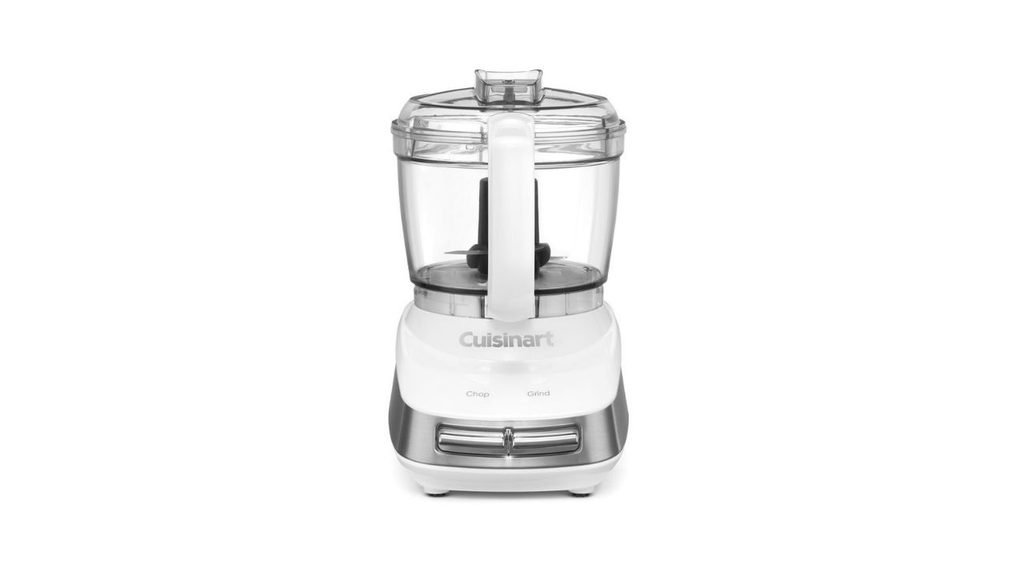
The Core Custom MCH-4 is my first choice for a small kitchen that regularly prepares chopped aromatics, dips, dressings, and vegetable purées. Its combination of a four-cup bowl, large paddle controls, and a blade that locks into place makes it a practical everyday option.
The two controls are labeled Chop and Grind. They reverse the stainless steel blade so its different edges perform different jobs. Cuisinart’s BladeLock system retains the blade during pouring, and the handled bowl gives you a separate gripping point when transferring food.
The strongest reason to choose this model over a cheaper mini chopper is its control layout and handling. If you repeatedly pulse vegetables while watching their texture, paddle-style controls may be more comfortable for you than a flat touchpad.
There are limits. A four-cup vessel still requires small batches, and a spinning blade produces irregular chopped pieces. Published evaluations also differed on its handling of just one or two garlic cloves, so expect occasional scraping with tiny quantities.
The price premium needs a clear reason. I would choose the MCH-4 if I liked its paddles and expected frequent use. If my main goal were chopping onions at the lowest cost, the Elemental would deserve equal attention.
My verdict: A sensible overall choice for frequent small preparation jobs, with the most persuasive appeal in its controls and pouring convenience.
2. Elemental ECH-4SV: Best Four-Cup Value
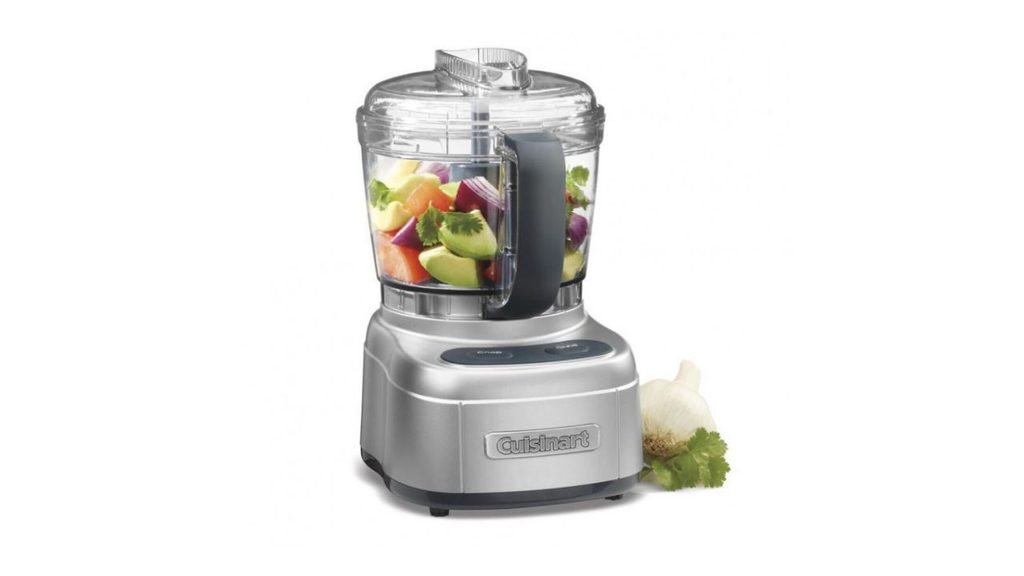
The Elemental ECH-4SV offers the same advertised four-cup capacity as the Core Custom at a manufacturer-listed price that was $15 lower when checked. It also has BladeLock, a handled bowl, and an auto-reversing chopping and grinding blade.
The clearest operating difference is its touchpad controls. Someone who prefers a flat panel may favor this layout; someone who likes broader paddles may prefer the MCH-4. Both product pages list the same exterior dimensions, so the Core Custom does not buy extra bowl capacity or a smaller footprint.
For a typical small preparation routine, the Elemental is easy to justify: chop the onion needed for dinner, prepare a dressing, then wash the removable components. Its feature set covers those jobs without adding attachments that require separate storage.
Its weakness is the same restriction shared by the other electric minis: it will not produce measured cubes or long carrot shreds. Nor does a larger bowl remove the need to cut oversized vegetables before processing.
I would avoid assuming that the more expensive Core Custom must cut faster or more evenly. The verified differences do not establish that advantage. Compare the controls, current selling price, and replacement-part availability before paying more.
My verdict: My value recommendation for someone who wants a four-cup electric chopper and is comfortable with touchpad buttons.
3. Mini-Prep Plus DLC-2A: Best Budget Electric Choice
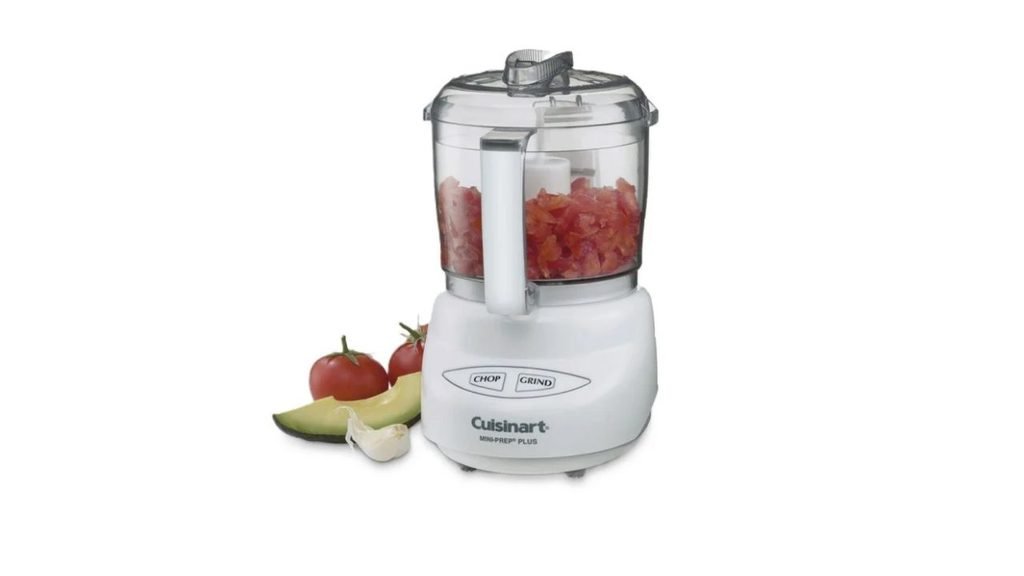
The Mini-Prep Plus DLC-2A is an established three-cup option with simple Chop and Grind controls. Its 24-fluid-ounce bowl, handle, and reversible blade suit ingredient preparation where a full-size processor would be inconvenient.
Cuisinart lists a 250-watt motor, dishwasher-safe removable parts, and an 18-month limited warranty. At the checked $39.95 price, it was the least expensive electric model in this shortlist. Motor wattage alone does not establish which chopper produces the most even vegetables.
This is the model I would consider for occasional onion preparation, small sauces, or a second appliance kept for minor tasks. Its appeal is straightforward: a low entry price and two controls, with little equipment to organize afterward.
There is a handling difference from the other electric picks. The DLC-2A manual tells you to remove the blade by its hub before removing food; do not assume it has the BladeLock feature listed for the alternatives.
Its smaller bowl also means more batches when a recipe calls for several vegetables. If you already know that you will regularly empty and refill a mini bowl, saving a few dollars upfront may feel less attractive during preparation.
My verdict: A strong budget choice for small jobs. Choose it for the price and simplicity, with realistic expectations about capacity and blade handling.
4. CCH-3 Mini Chopper: Best Compact BladeLock Option
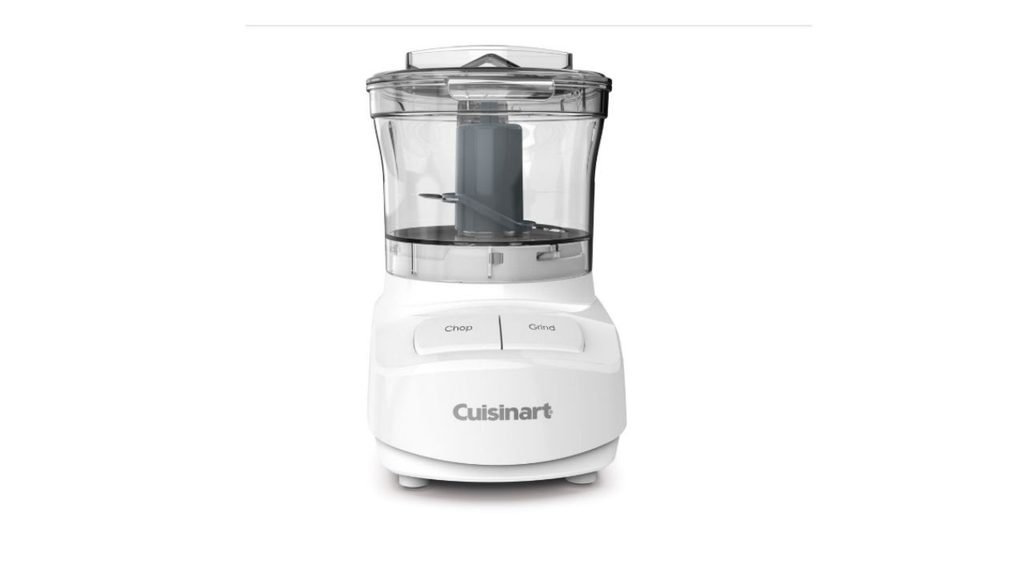
The CCH-3 combines a three-cup bowl with Chop and Grind buttons and BladeLock. It belongs on the shortlist for someone who wants a small machine but would prefer the blade to remain secured when pouring.
Cuisinart lists dimensions of 6.25 by 4.75 by 8.5 inches. That shorter height can matter in a shallow storage space, although you still need room above the appliance to remove the lid during use. Its removable parts are dishwasher safe.
At the checked prices, it cost $5 more than the DLC-2A. I would consider that difference reasonable if blade retention were a priority. It is a more concrete reason to upgrade than choosing a different color or assuming that a newer-looking appliance must chop better.
The main limitation is its working quantity. The CCH-3 manual’s onion entry permits up to half a medium onion, cut into half-inch pieces. That example shows why a three-cup label should never replace the ingredient chart.
For someone making sauces for one or two meals, the format may be convenient. For a large pot of soup with several onions and carrots, repeated batches will take more attention.
My verdict: My pick when compact storage and BladeLock matter more than an extra cup of advertised bowl space.
5. PrepExpress CTG-00-VFC: Best for Manual Dicing
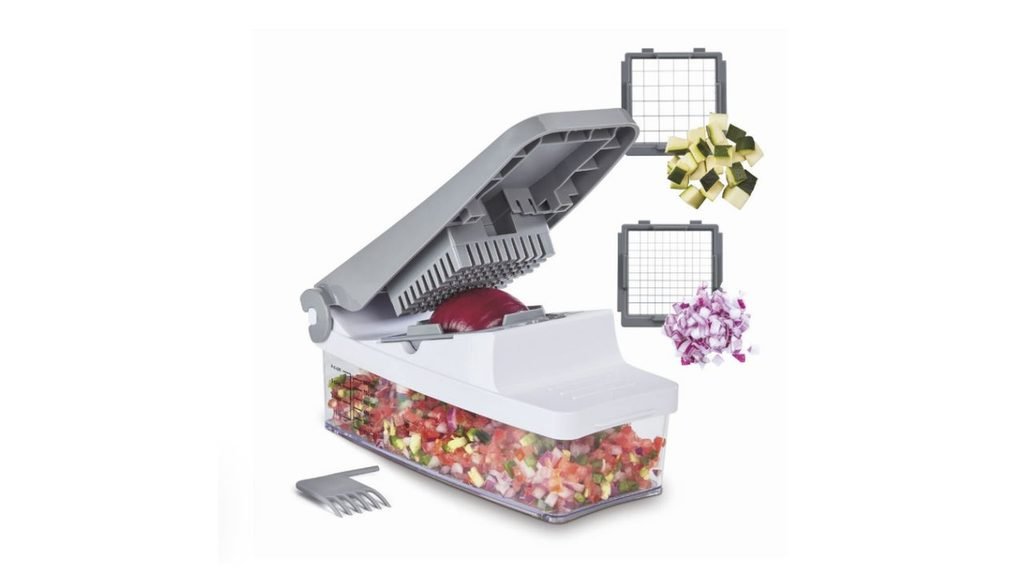
The PrepExpress CTG-00-VFC cuts by pressing vegetables through a stationary grid. Its small and large stainless steel grids, angled platform, nonslip base, and four-cup collection container make it a different kind of preparation tool from the electric models.
The set includes a chopping cover and cleaning tool. Cuisinart lists it for vegetables and fruits such as onions, potatoes, peppers, carrots, cucumbers, and apples. It requires no electrical outlet.
Its main advantage is shape. The grid determines two dimensions of the cut, while the thickness of the piece you load determines the third. A prepared slab can become dice; a longer piece can become sticks. An electric mini chopper does not offer that geometric control.
The tradeoff is manual pressure and more detailed grid cleaning. A press chopper may be a poor match for someone who finds pushing down uncomfortable. Hard vegetables also need sensible preparation instead of being forced through in oversized pieces.
Check the model number carefully. The current CTG-00-VFC should not be confused with older CTG-00-VC listings or another Cuisinart box chopper. A similar product name does not confirm identical grids, container capacity, or care instructions.
My verdict: The best fit here for regularly shaped salad pieces and vegetable sticks. Choose an electric model if your usual goal is mince, sauce, or purée.
Key Takeaway: Choose the Core Custom for its handling, the Elemental for four-cup value, and the PrepExpress when the shape of the cut matters most.
Choose by Batch Size, Cutting Style, and Total Cost
Match the Cut to the Recipe
Start with the food’s final shape. A soup base can tolerate irregular chopped onion. A chopped salad may look better with more regular pieces. A dressing needs small particles suspended in liquid.
That distinction prevents an expensive mismatch. A grid chopper controls the shape but cannot blend ingredients into a sauce. A mini processor repeatedly cuts whatever reaches the blade, so extra running time makes the mixture finer instead of producing more uniform cubes.
If most of your work involves slicing rounds, shredding cabbage, or preparing large quantities, look for a food processor whose specified accessories perform those tasks. None of the four electric minis reviewed here includes a slicing or shredding disc.
Treat Bowl Capacity as a Size Description
The food must move around the blade. Filling every available space can leave larger chunks above the cutting zone while the food underneath becomes too fine.
Read the food-specific quantities before choosing between three and four cups. A larger bowl may reduce some batching, but it does not make every recipe suitable for one load. Think about your usual amount of prepared onion or herbs, rather than the number of people in your household alone.
For very small quantities, there is a different problem: too little food may sit below the blade or stick to the wall. Scraping and repositioning can be part of normal use.
Include Cleanup and Parts in the Price
A low purchase price is less attractive if cleaning the grid discourages you from using it. The same applies to a machine that requires several batches for every dinner.
Before purchasing, check the exact seller, included components, return terms, and availability of a matching bowl, lid, or blade. I would compare the total price of a replacement assembly with the current price of the whole appliance before deciding to repair an older unit.
Key Takeaway: Buy for your normal food quantity and desired cut, then compare cleaning effort and replacement costs.
How to Use a Cuisinart Vegetable Chopper

Prepare the Ingredients and Work Area
Set the appliance on a dry, stable counter. Keep the cord away from the sink and stove, and unplug the electric unit before assembly.
Wash produce before peeling or cutting, unless the packaging identifies it as prewashed and ready to eat. Dry herbs and vegetables after rinsing; excess surface water is unwelcome when the goal is a loose chop. Keep raw-meat utensils separate from produce that will be eaten uncooked.
Remove pits, tough stems, and unwanted peel. Cut large vegetables into similar pieces according to the model’s food chart. Preparing one oversized chunk alongside tiny pieces gives the blade uneven work from the start.
Use the Electric Models in This Order
- Secure the empty bowl. Fit it onto the unplugged base and align the locking features. Follow the arrows and manual for that model.
- Install the blade by its plastic hub. Keep fingers away from the edges. Seat a BladeLock assembly as directed.
- Add a measured batch. Follow the ingredient chart instead of filling to the rim. Fit and lock the cover before plugging in.
- Pulse on Chop for vegetables. Begin with brief bursts and inspect the texture early. Let the blade stop between pulses.
- Scrape when needed. Release the control, wait for a complete stop, and unplug before opening and repositioning food with a spatula.
- Remove the finished food safely. Unplug before disassembly. Follow the model’s directions for releasing or retaining its blade.
Locking directions differ: DLC-2A and ECH-4 lock counterclockwise; MCH-4 and CCH-3 lock clockwise. Forcing the bowl in the opposite direction can damage its tabs. Never bypass the cover interlock or run an empty bowl as a trial.
Use the PrepExpress Grid Chopper
- Fit the chosen grid. Seat its frame in the tray notches and slide the safety lock closed. Handle it only by the frame.
- Trim and center the food. Keep it within the grid area, with smaller loads for harder vegetables.
- Press evenly. Place both hands on top of the lid and push down with controlled pressure.
- Clear trapped food safely. Remove the blade grid before cleaning the lid’s food guides, and use the supplied cleaning tool.
The CTG-00-VFC manual requires trimming to fit, even though the product description suggests minimal trimming. Inspect the frame and lid before use, and stop if any part is cracked or broken.
Key Takeaway: Use the instructions for your exact model, prepare similar-sized pieces, and stop early to check the cut.
Get the Texture You Want Without Making Mush
Understand Chop and Grind
Chop and Grind select different blade directions, not simply low and high speed. Chop generally suits vegetables, herbs, mixing, and puréeing. Grind uses the other edge for specified harder, dry ingredients.
Do not choose Grind just because a carrot feels hard. Follow the ingredient chart: even some hard foods, including certain cheese preparations, use Chop. The food and desired result determine the control.
Separate Ingredients That Need Different Treatment
For a chunky vegetable mixture, I would prepare the firmer ingredients first and add delicate ingredients later. A carrot piece and a ripe tomato do not need the same amount of blade contact.
The same logic applies to herbs. Start with dry leaves and a dry bowl when you want scattered green pieces. If a small amount sticks to the sides, stop and return it to the cutting area instead of running the motor longer with little food reaching the blade.
For salsa, stop while the vegetable pieces are still distinct. Once the mixture has become a watery purée, more pulsing cannot restore its original texture. Use that batch as a blended sauce if the recipe permits.
Adjust Sauces Without Overrunning the Motor
For dressings, the electric models provide openings in the cover for adding liquid. Add oil through one opening, keeping the other clear so air can escape. This supports a slow addition without removing the cover during operation.
Longer running time is not always the answer to a stubborn mixture. Stop, check the load, and scrape before continuing. The DLC-2A and ECH-4 manuals specify no more than one minute of continuous operation; follow each model’s instructions rather than assuming unlimited blending time.
Key Takeaway: Control texture with preparation, short pulses, and scraping; use longer processing only when a finer mixture is the goal.
Attachments and Replacement Parts
What the Included Accessories Actually Do
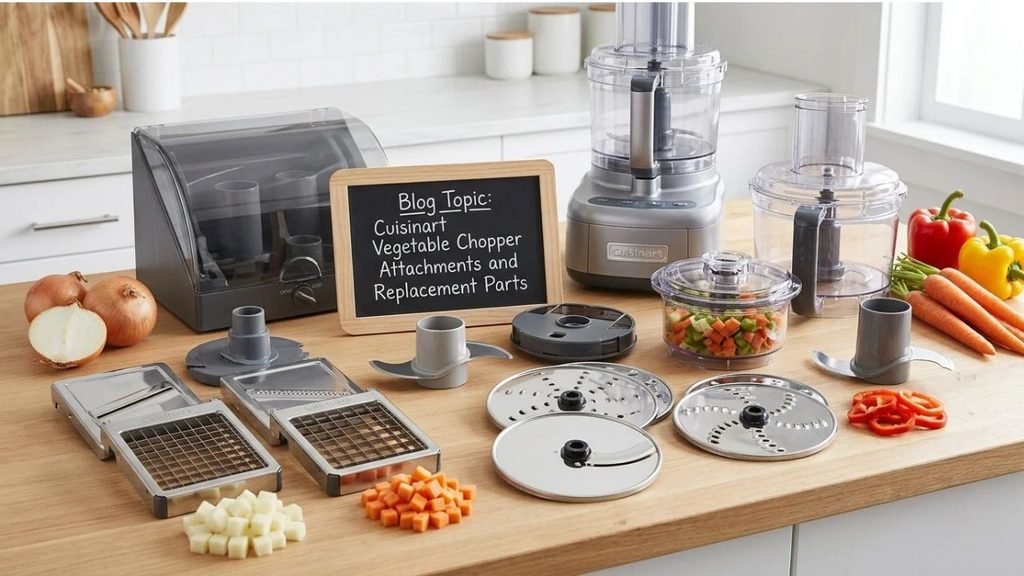
The electric minis use a chopping and grinding blade, bowl, and cover. Changing the control reverses the blade; it does not install a different cutting attachment.
A replacement blade restores the original function. It does not turn a mini chopper into a slicer, shredder, or grid dicer. Do not order a larger food processor’s disc simply because the listing includes the Cuisinart or Core name.
The PrepExpress’s interchangeable grids are genuine cutting accessories. They alter the size of the grid openings. Match replacements to the exact model, since a frame must seat and lock correctly before pressure is applied.
Order Parts by the Full Model Number
Cuisinart lists separate parts for different product families. These examples show why appearance and bowl capacity are insufficient compatibility checks.
| Appliance | Example replacement | Part number | Listed price |
| Core Custom MCH-4 | Blade | MCH-4BLD | $17.95 |
| Elemental ECH-4SV | Blade | ECH-4BLD | $15.95 |
| CCH-3 Mini Chopper | Blade assembly | CCH-3CBA | $14.95 |
| Mini-Prep Plus DLC-2A | Work bowl | DLC-2AWB-1 | $10.95 |
These manufacturer listings were checked on October 20, 2026. Each has its own compatibility list; confirm your complete model and suffix before ordering.
Photograph the appliance label and damaged component before shopping. Inspect a lid’s locking tab as well as its visible surface: a small broken tab can stop the motor from receiving the required safety signal.
If a correct part is unavailable, contact product support. A loosely fitting lid or blade is not a suitable substitute, even if it appears to fit inside the bowl.
Key Takeaway: Match the full model number and official compatibility list; a matching brand or cup capacity does not establish fit.
Dishwasher Safety, Cleaning, and Storage
Clean the Electric Chopper’s Removable Parts
The four electric models reviewed here have dishwasher-safe removable parts. Their motor bases require wiping and must never be immersed.
The manuals place the bowl on the top rack upside down, the cover on the top rack right side up, and the blade in the cutlery basket. Position sharp parts securely and unload carefully. The MCH-4 instructions also permit its spatula in the cutlery basket.
Hand washing is another option. Unplug, disassemble, and wash the removable components with warm, soapy water. Keep the blade visible instead of leaving it hidden beneath cloudy water or other utensils.
Rinse promptly after preparation so onion fibers, herbs, and oily dressing do not dry into the bowl’s corners. Wipe the base with a damp cloth and dry it before storage. Avoid sending water into the controls or shaft area.
Check the Manual Chopper’s Separate Care Instructions
Do not transfer the electric models’ dishwasher approval to the CTG-00-VFC. The official product page and currently linked short booklet do not explicitly confirm dishwasher suitability for this model.
Until its supplied care instructions or Cuisinart support confirm otherwise, I would hand-wash it. Remove the grid before cleaning the food guides, use the included tool to dislodge trapped pieces, and hold the blade assembly by its frame.
Let every component dry before putting the grids and cleaning tool into the container. Store blades where a hand cannot accidentally meet an exposed edge, and keep the assembled unit beyond children’s reach.
Key Takeaway: Dishwasher approval applies to identified removable parts; check the manual grid chopper’s own care directions separately.
Troubleshoot Before Replacing the Chopper
Check Assembly, Loading, and Texture
Most checks begin with the appliance unplugged. Look for trapped food, an incorrectly seated blade, or a cover that has not reached its locking position.
| Problem | First checks | Practical response |
| Motor does not start | Plug, bowl lock, cover lock, control button | Reassemble correctly and press only one control |
| Large chunks remain | Oversized pieces or excessive food | Precut more evenly and reduce the batch |
| Vegetables become watery | Too much processing | Use shorter pulses on the next batch |
| Food collects on the sides | Food outside the blade’s path | Stop, unplug, and scrape toward the center |
| Grid press is difficult to close | Oversized food or an overloaded grid | Remove and trim the food before retrying |
The electric manuals identify assembly and food quantity as common causes of poor results. The grid-chopper instructions also warn against overloading the cutting surface.
Treat Unexpected Shutdowns Separately
The ECH-4, MCH-4, and CCH-3 manuals describe overload protection. If one shuts off unexpectedly, unplug it and let it cool for at least 15 minutes before continuing. Reduce the load before trying again.
That cooling step does not explain every fault. Stop using a unit with a damaged cord, broken locking parts, smoke, a persistent burning smell, or repeated shutdowns under an appropriate load. Contact support rather than opening the motor housing or defeating the interlock.
Key Takeaway: Check assembly and batch size first; persistent electrical faults or damaged safety parts need service.
Find the Correct Manual and Check Warranty Coverage
For an electric Cuisinart vegetable chopper manual, locate the model number on the appliance label. Open Cuisinart’s product-support or manuals section, find that exact model, and select its instruction booklet. Product pages also provide a View Manuals option.
Check the cover of the downloaded booklet against the label. Similar names can conceal different locking directions, capacities, parts, and controls. Keep the food chart accessible for unfamiliar ingredients instead of relying on a general recipe’s instructions for a full-size processor.
All four electric models in this shortlist advertise an 18-month limited warranty. The PrepExpress CTG-00-VFC product page lists a lifetime warranty, subject to its terms. Coverage should not be treated as a promise against every kind of wear, accident, or misuse.
Keep the purchase receipt and model details. If a part fails, describe the symptom and provide the exact identification before ordering a replacement or sending the appliance for service.
Conclusion
The best Cuisinart vegetable chopper is the one that produces the cut your recipes require. My overall electric recommendation is the Core Custom MCH-4; the Elemental ECH-4SV is my value pick, and the PrepExpress CTG-00-VFC suits regular dice and sticks.
Before buying, compare working quantities, controls, cleaning requirements, and exact replacement-part support. During use, prepare similar pieces, follow the ingredient chart, and stop before chopped vegetables turn into paste.
I would begin with a normal dinner’s ingredient list and choose around that workload. A chopper that fits your actual preparation routine is more useful than one selected mainly for a larger capacity number.
FAQs About Cuisinart Vegetable Choppers
Can a Cuisinart Vegetable Chopper Make Hummus or Pesto?
Yes, the electric mini choppers suit small batches of sauces and dips. Use a recipe and quantity appropriate to the specific model, scrape as needed, and follow its running limits. Add liquid gradually when the recipe requires it. The manual grid chopper cuts pieces and cannot blend chickpeas or herbs into a smooth mixture.
Are These Cuisinart Electric Choppers Cordless?
No. The MCH-4, ECH-4SV, DLC-2A, and CCH-3 reviewed here use a power cord. The PrepExpress CTG-00-VFC needs no electricity because you supply the cutting force by pressing its lid. A hand-operated grid chopper is a different mechanism from a rechargeable electric chopper.
Should I Sharpen the Blade When Vegetables Chop Unevenly?
Uneven pieces alone do not show that the blade needs sharpening. Check batch size, starting-piece size, and food trapped around the blade first. The grinding edge is deliberately blunt; do not mistake that design for damage. If an assembly is damaged or worn, choose the specified replacement rather than attempting to reshape its cutting edges.
Should I Replace a Broken Bowl or Buy a New Chopper?
Replace the bowl if the motor and safety mechanisms remain sound, the correct part is available, and the total repair cost makes sense. Compare the part, shipping, and any other needed components with the current appliance price. If the blade, lid, and bowl all need replacement, buying a new unit may be the more sensible purchase.
Can I Leave Chopped Vegetables in the Work Bowl?
Transfer prepared vegetables to a clean, covered storage container if you are not using them promptly. The work bowl and its processing lid should not automatically be treated as an airtight storage set. Refrigerate perishable produce appropriately; FDA guidance specifies a refrigerator temperature of 40°F or below. Remove and clean the blade instead of leaving it concealed in stored food.